 408,427 views -- Harvard professor and "How to Build a Life" columnist Arthur C. Brooks answers the internet's burning questions about "happiness." Does anyone else feel depression after completing a goal? Can social media cause depression? Do we get happier as we age? What is the true meaning of happiness? Arthur answers all these questions and much more. Yale University’s most popular class is now free for teenagers—why it could make you happier6/16/2023 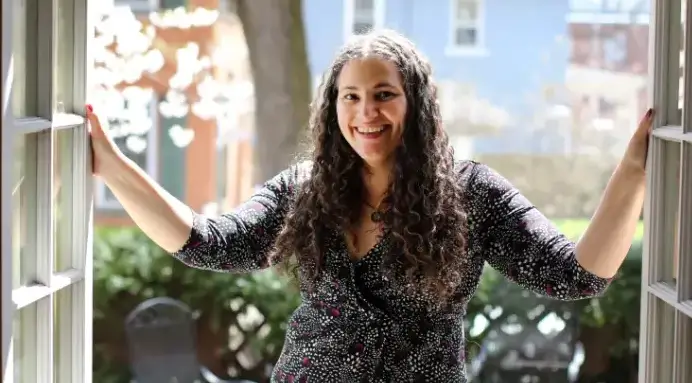
Psychology Professor Dr. Laurie Santos, whose one-time-only class ‘Psychology and the Good Life’ is the most popular course ever offered at Yale University in New Haven, CT and was held on April 26, 2018.
Laurie Santos wants to help teenagers, and the rest of the world, feel happier. Santos, the psychology professor behind Yale University’s most popular course, recently launched a free six-week version of the class aimed at teenagers, called “The Science of Well-Being for Teens.” It was developed to address rising rates of anxiety, depression and suicide rates for kids between ninth and 12th grade, Santos says. Lesson No. 1, she preaches in one of the course’s pre-recorded lectures: Our brains lie to us about what makes us happy. “For adults, this may mean pursuing money or success at work, and for teens this might mean focusing on the perfect grades and getting into the best colleges,” Santos tells CNBC Make It. “The problem isn’t that we’re not putting work into feeling better — it’s that we’re doing the wrong things, prioritizing the wrong behaviors.” Instead of focusing on reaching a financial milestone or perfect GPA, aim to program your brain with thoughts and behaviors that make you feel better, Santos recommends. Regularly connecting with friends, taking care of your health and learning how to accept negative emotions all contribute more significantly to your wellbeing than having the right job, car or relationships, she adds in a course lecture. This isn’t Santos’s first foray into democratizing happiness. She hosts a podcast called “The Happiness Lab,” and launched a free online course for adults called “The Science of Wellbeing,” which has seen over 4 million enrollments since its 2018 launch. The timing of the teen-specific course, which already has at least 17,000 enrollees, is notable. More than a third of teens self-report experiencing poor mental health, and nearly half feel persistent sadness or hopelessness during the pandemic, according to a Centers for Disease Control and Prevention survey that surveyed participants through mid-2021. Even before the Covid-19 pandemic hit, those numbers had already increased by 40% from 2009 to 2019, the CDC noted. The agency’s survey also found that 20% of teens had seriously considered, and 9% had attempted, suicide. Santos says she wants to help change those numbers by making the science of happiness accessible. Happiness isn’t just about enjoying our day-to-day lives, she adds: It helps you land jobs and live longer, contributing to your success when you’re not really chasing it. There’s also a negative correlation between high GPAs and self-esteem, Santos notes, citing research from author Alfie Kohn’s book “Punished by Rewards.” A separate 1998 University of Clemson meta-analysis found something similar: There’s almost no correlation at all between high GPAs and salary growth over the duration of your career. Put together, the message is clear, Santos says. Students with the highest grades are often less happy — and happiness a better indicator of success than quantitative measures like grades. Happier people also live longer, Santos says. Her evidence: nuns. A 2001 study published by the American Psychological Association spent a decade analyzing Catholic nuns, who were between the ages of 75 and 102 when the study began in 1991. Of the 678 nuns who participated in the study, 180 provided journals they’d written between the ages of 18 and 32, and researchers found that those who’d recorded positive feelings early in life and throughout the study lived longer. Out of the happiest quarter of nuns, 90% lived to be 85 years or older, researchers found. The study is hopeful, to Santos: People can learn to be happy and successful regardless of their surroundings. “I think the biggest misconception is that our happiness is based on our circumstances,” Santos says. There’s a lot of evidence that, at least for people living above the poverty line and outside of truly traumatic situations, our circumstances don’t matter as much as we think for our overall happiness.”
Written by Megan Sauer @MEGGSAUER
 Since 2018, Google Arts & Culture Lab has been exploring the application of artificial intelligence (AI) and machine learning (ML) in an artistic and cultural context. Both as a tool and a collaborator, AI — like other emerging and revolutionizing technologies before it — opens up a multitude of possibilities for artists, technologists and cultural institutions, whether that’s within the creative process, to solve a challenge, or as a new way of engaging with audiences. Many of our collaborations originate from singular questions: What’s it like to hear color? How can an artist's archive inspire the creative process? Can I find my doppelgänger in a museum? What ways are there to visualize the climate crisis? How can we make Gen Z dig opera singing? How can curators uncover lost stories? Questions such as these have driven us for years, and more often than not, AI played the key role in developing the formats and experiences to answer them. So, let's take a look at how AI has been of service to the world of culture through 9 of our most intriguing projects.  Preserving and promoting endangered languages with AI Preserving and promoting endangered languages with AI AI as a tool for solving challenges Of the 7,000 languages currently spoken on Earth, more than 3,000 are under threat of vanishing. Woolaroo is an open source tool that helps language communities preserve and expand their language word lists. Today it supports 17 global languages including Louisiana Creole, Māori, Nawat, Tamazight, Sicilian, Yang Zhuang, Rapa Nui and Yiddish. Woolaroo — with the help of AI powered object recognition — identifies objects in your camera’s frame and matches them to its ever growing library of words. More here.  Surfacing women in science with AI Women on the forefront of science often haven’t received proper credit or acknowledgement for their essential work. That’s why we collaborated with curators of the Smithsonian to develop machine learning tools that can help to uncover the history and contributions of women in science that were previously too hard to locate. The tools provide curators and data scientists with at-scale analysis and visualizations across nearly two centuries of cultural data. Find out more.  Using AI to restore disappeared masterpieces Gustav Klimt’s three masterpieces, Medicine, Jurisprudence, and Philosophy, were destroyed during the Second World War. Of these so-called “Faculty Paintings” only black and white photos and articles describing the paintings remained. Working closely with Klimt experts from the Belvedere Museum, we digitally restored Klimt’s Faculty paintings using machine learning to what they might have looked like. Discover more here. These are just three of many projects targeted at solving challenges our cultural partners face. AI has also been used to help identify artworks captured in old photographs of MOMA exhibitions , analyze large datasets from LIFE Magazine, and make NASA’s visual archive understandable with surprising and interactive results. AI to experiment with new ways to connect with culture online  Blob Opera on stage Blob Opera is a playful machine learning experiment that takes your musical ideas and transforms them into beautiful harmonious opera singing — no singing skills required. We used the voices of four professional opera singers to train a “neural network,” essentially teaching the algorithm how to sing and harmonize across four different voice types and incorporating singing synthesis, an area of AI focused on how computers can model human singing. A digital toy for everyone regardless of musical skills, Blob Opera has been used in many contexts, from teachers in the classroom to professional artists to amateur creatives. More here.  Find your doppelganger in artworks with AI Art Selfie provides a doorway into art, surfacing artwork with faces that look like yours. When you take a selfie, a machine learning model compares your photo with faces in artworks that our museum partners have provided. After a short moment, you will see your results along with a percentage to estimate the visual similarity of each match and your face. You can then tap on your lookalike to discover more information about it and its artist, one that perhaps you've never heard of before. Read more here.  AI helps you to "hear" an artwork What if you could hear color? In this collaboration with the Centre Pompidou, you can explore Vassily Kandinsky’s synesthesia and “play” his pioneering masterpiece, Yellow-Red-Blue, with the help of machine learning. Everyone — perhaps for the first time —can now experience what a “Kandinsky” sounds like by listening to a painting. More information here. Other projects connecting people to culture in new ways include Giga Manga, which helps you create unique manga characters with the help of machine learning. Sketch a few simple lines and add some splashes of color — then let machine learning fill in the rest. And following the success of Art Selfie, we also created Art Transfer and Pet Portrait. AI as a tool for artists in their creative work  Create your very own dance moves with AI This tool for choreography, powered by AI and created with renowned choreographer Wayne McGregor, generates original movement inspired by Wayne McGregor’s archive, creating a live dialogue between dancers and his 25 year body of work. Try out this “Living Archive” here.  Create your own unique pollinator-friendly garden If Pollinators designed gardens, what would humans see? Commissioned by the Eden Project, Cornwall, UK, and created by artist Alexandra Daisy Ginsberg, this one-of-a-kind interspecies artwork called Pollinator Pathmaker, uses an algorithmic tool to help you design and plant gardens for endangered bees and butterflies  Create a personalized poem, with the help of AI POEMPORTRAITS is an online collective artwork created by artist Es Devlin in collaboration with Google Arts & Culture Lab and technologist Ross Goodwin that allows visitors to create poems with the help of AI. It is accessible online & currently on tour as an installation as part of Barbican Centre’s AI: More than Human exhibition.
Through our AMI Grants, we’re also supporting contemporary artists working with machine learning in their art practices, presenting possibilities of artistic application of machine learning since 2019. The grants have helped a diverse set of international artists to collaborate with Google creative technologists to explore machine learning techniques in film, poetry, sound art, and interactive storytelling — with more to come. This article first appeared on Google Arts & Culture. Written by Amit Sood  Romance is just a road trip away. | Photo courtesy of Eastwind Hotels It shouldn’t take a special occasion to prompt a weekend getaway, but for those who are big planners—or the opposite, terrible at planning—this can seem more overwhelming than it needs to be. This is vacation, after all, and there’s plenty of fantastic cities across the country that are perfect for a weekend trip. But if you’re sticking to your state—or one around it—you can have a romantic getaway that’s just a road trip away. And we’re not talking big cities, either. These are the smaller towns, quiet lakes, mountains, and beaches that will actually make your weekend feel like a true getaway. Leave the planning to us—we’ve got you covered in all 50 states. Alabama Orange Beach The Orange Beach area of 'Bama had activities for you and your college friends (Hangout Fest! Pristine beaches almost as fun as the Florida Keys!), but it also boasts plenty to do now that you're an adult and attempting to impress someone not wearing an airbrushed tank. You can ride the Ferris wheel on The Wharf, go mini-golfing on Adventure Island, take a glass-blowing class at the arts center, or, you know, lie on the beach. But anytime you have the opportunity to eat and drink on a boat while watching dolphins, you should always take it—so make that a priority. –Kristin Hunt Alaska Fairbanks While reenacting your favorite scenes from Balto is romantic in its own way, a couples retreat in Alaska isn't complete without some Northern Lights action—and your best bet is to head to Fairbanks. Make sure to book a place with aurora wake-up calls (many of them do this) and then decide whether you want to embark on a lights-themed van tour, train ride, or dogsled adventure for the day. Keep in mind that the latter will fulfill those Balto fantasies. –KH  At Sanctuary Camelback Mountain, you can vacation just like Beyoncé and Jay-Z—well, sort of. | Courtesy of Jason Dewey for Omni Scottsdale Resort & Spa at Montelucia Arizona Scottsdale Scottsdale’s entire raison d'être, for the last several decades, has been the art of rest and relaxation. Lucky for you, all of that R&R has begotten a third, equally elusive R: romance. Aside from the bachelor and bachelorette parties you’ll see romping their way through Old Town, there are plenty of more peaceful ways to celebrate love in this desert city: candlelit Italian dinners at Fat Ox; couples spa treatments at one of the more than 50 resorts around town (including Sanctuary Camelback Mountain, where Beyoncé and Jay-Z honeymooned); watching the sun set behind the mountains to reveal twinkling stars at ADERO. If you need to de-stress after planning the perfect romantic vacation, here’s a way to kill two birds with one stone. –Tiana Attride Arkansas Eureka Springs Between the jazzy live music scene, the haunted hotels with serious Overlook vibes, the majestic Victorian architecture, and the quirky shops slinging everything from sequined jackets to healing gemstones, Eureka Springs feels like a mini New Orleans in the Ozarks—minus the swaths of tourists, steep hotel prices, and Mardi Gras melee. This tiny town of ~2,000, nestled in the lake-filled hills of Northwestern Arkansas, actually has a two month-long Mardi Gras festival all its own, Krewe of Krazo (that’s “Ozark” spelled backward), along with ample attractions to keep couples entertained year-round. There’s hiking and kayaking aplenty, rooftop bars, boutique leather shops, cute restaurants, and even a hotel called New Orleans, with real-deal Vieux Carrés and Sazeracs. Truly something for everyone, there’s even a sprawling gay club, Eureka Live, because “Slut Juice” shots are universal. –Matt Kirouac California Napa Napa Valley is the expected choice here, but you can mix it up by pretending to be Batman and enjoying your California wines in a legit cave. While there are many excellent, echo-y options out there, most of them are reserved for private parties (read: crazy expensive to book). But at Jarvis Estate, it's part of the tour! After you've finished your subterranean wining, there's plenty of excellent food, shopping, and river sports in Napa to fill the rest of your vacation. Also, tons more wine. –KH  Onefinestay’s Gold Mine Lodge is the definition of hygge. | Courtesy of onefinestay Colorado Steamboat Springs Vail and Aspen get the glamor and attention, but that makes Steamboat Springs all the more of a secret among Colorado’s many ski resorts dotting the Rockies. This won’t be for long, though, as the town in Yampa Valley continues to expand and will soon be the state’s second-largest ski area after Vail. For skiers, you’ve got six peaks to choose from, and the good news, beginners, is that a good chunk of the 3,000-ish acres is greens and blues. If you’re more in it for the après, the scene here is laid-back, to say the least. After a day on the slopes or soaking in the namesake hot springs at Strawberry Park, stay warm in heated bar Slopeside, which you can literally ski right down to. Then, head into town to the more elevated Primrose, where you can indulge in jet-fresh oysters or foie gras tourchon. There’s plenty to keep you entertained on the small Main Street strip here, but if the snow is really coming down and you’d rather cozy up by the fireplace or in the hot tub, call it a night in one of the many chalets looking out to the peaks. One favorite: Gold Mine Lodge, part of onefinestay, which is constructed from gold mine timbers, a nod to the town's gold mining past. –Lane Nieset  The town is called Mystic, but its romantic qualities are clear as day. | Flickr/Joan Sol Connecticut Mystic After getting hitched, Humphrey Bogart and Lauren Bacall famously retreated to the seaside town of Mystic. You want a town that is small, pretty, and full of coastal photo ops should the admiring paparazzi want a picture with a good backdrop. The main attraction in town is the Mystic Seaport, where you can see old restored ships and a tiny, recreated 19th-century village. (You better believe they have a printing press.) There's also an aquarium, planetarium, and dining options outside that one famous pizza place. And if you're all about authenticity, you gotta book a stay at Bogie and Bacall's actual hotel, Inn at Mystic. –KH Delaware Montchanin (Brandywine Valley) Montchanin is where the very lovely Inn at Montchanin Village is based, but you're not going there to explore that town specifically. You're going there to drop your bags, maybe do a quick spin around the hotel gardens, and head out to the larger Brandywine Valley area. While you won't be inundated with an incredibly boozy concoction everywhere you go, the region, which encompasses swaths of Delaware and Pennsylvania, does have several gorgeous manors and gardens to explore. You can check out those, the Delaware Art Museum, and the many parks. But if your partner has a home shopping addiction, beware: The QVC studios are just over the state line. –KH Florida Sanibel and Captiva Islands With tight restrictions that lock out high-rise buildings and most chain restaurants, Sanibel’s vibe is easily distinguishable from the overdeveloped Florida of our collective nightmares. Basically, this is what Florida would look like if it lived up to its full potential: No traffic lights or seedy “VIP” lounges. Sanibel and its even homier and more remote sister island, Captiva, boast world-renowned beaches showcasing soft, white sand and absurdly glorious sunsets. If you only have time for one, cruise over to the “secret beach” at Cayo Costa State Park. With nine miles of pristine undeveloped beach only accessible by boat, it’s easily one of the top state parks in the nation. –Jay Gentile 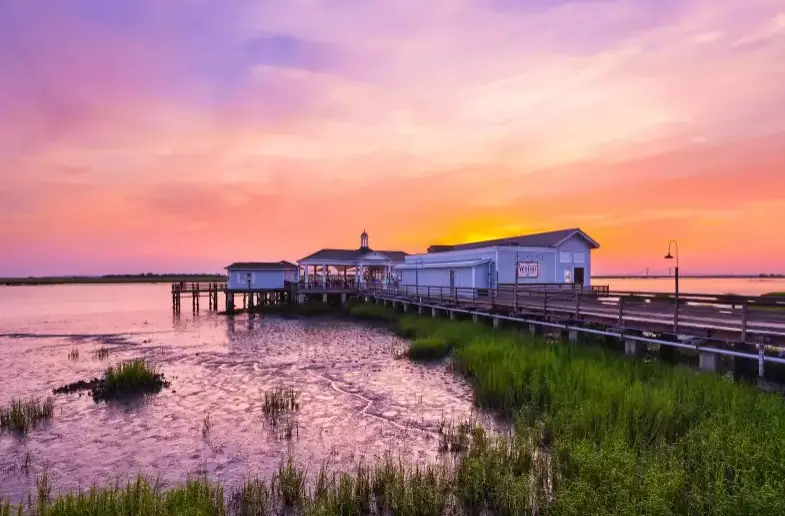 Get ready for sunsets like these. | Courtesy Jekyll Island Club Resort Georgia Savannah It’s impossible not to be swept up by the Spanish moss in Savannah billowing over every street corner and park. The iconic Southern flora is just part of the charm of this hauntingly beautiful coastal city, renowned for its aphrodisiac-laden Lowcountry cuisine, open container laws, and ornate architecture. For a small-ish city, there’s a ton to do here. Want to devolve into a night of suggestive debauchery? Go on a drag pub crawl! Celebrating a special occasion? You can’t do better than a tasting menu at the city’s most lauded restaurant, The Grey. Itching for some fun in the sun? Spend the afternoon on Tybee Island! Better yet, make it a day trip and head to Jekyll Island, a gorgeous barrier island in the Golden Isles with historic mansions, miles of unobstructed beachfront, and the majestic Jekyll Island Club Resort, a sprawling hotel that looks like a chic—and harmless—Hill House. –Matt Kirouac  Hey, have you heard that Hawaii is romantic? | Maridav/Shutterstock Hawaii Kauai Look, you just can't lose with Hawaii. You could seek out the dumpiest motel and eat exclusively at McDonald's, and your special friend would still be impressed. Not that you should do that. (Please don't do that.) But if we had to choose a particular island for your retreat, it would have to be Kauai. Why? Lumahai Beach, Hanalei Valley, and Waimea Canyon. Google them. Book your trip. Done. –KH Idaho Ketchum If you and your beloved happen to be a fan of winter sports and literature, few experiences will fuse these passions like a visit to the Sun Valley Resort, where Ernest Hemingway once resided while writing much of For Whom the Bell Tolls. You can even stay in the very room where he worked. The lodge itself offers a romantically luxurious experience, and the Ketchum region itself is no slouch on romance, either. With plenty of opportunities for skiing and snowboarding, the majestic vistas of the nearby Sawtooth National Recreation Area, and the charming downtown district of Ketchum, there’s plenty to do and explore. If you’re looking for one of the most breathtaking views in—and of—the galaxy, bundle up one evening and drive just under an hour north to the Central Idaho Dark Sky Reserve. Protected from light pollution, it provides a glorious view of the stars. Or, just stay in at the lodge and cuddle up by the fire. –Nick Hilden  For those whose idea of romance is communing with nature—and sharing a tent. | Camp Aramoni Illinois LaSalle County Outdoorsy Midwesterners already know about LaSalle County, home to not one but two show-stopping state parks alongside stellar wine and beer bars, homespun shops, rustic campgrounds, and one of the region’s most storied historic lodges. Starved Rock might steal the spotlight with its dramatic vistas, winding trails, and gravity-defying ice-climbing opportunities, but Matthiessen State Park’s quieter network of gorgeous waterfalls, less-trafficked paths, and steep cliffsides serve as the area’s resident sleeper hit. Once you’ve finished sweating it out, take refuge at the quite-possibly-haunted (but definitely awesome) Starved Rock Lodge or snag an ultra-romantic glamping cabin at Camp Aramoni, a luxury retreat complete with an onsite restaurant, bucolic pond, communal stone firepit, and cool cocktail bar that operates out of a vintage Airstream trailer. –Meredith Heil Indiana Wabash Wabash is home to many parks and an apple orchard, so you'll have no shortage of romantic strolling options, and the shops range from thrift stores to donut hubs, so all interests are accounted for. Most importantly, there's the 13-24 Drive In, so you can snuggle up under the stars to, uh, World War Z. –KH Iowa Decorah Decorah gets name-dropped a lot in reference to the Hotel Winneshiek, which has pretty much everything you could ask for in addition to accommodations: a taproom, "opera house," and at least two fancy stone pillars. Obviously, you should stay there, but don't spend all weekend cooped up in the place. Get out to Malanaphy Springs and Phelps Park for your nature fix. Head to the speedway on Saturday, if you're into fast cars. Or go to the Wayside Skating Rink, if you're into slower-paced races. –KH Kansas Abilene Get excited, Dwight D. Eisenhower fanatics, 'cause Abilene is the proud site of his presidential library, museum, and boyhood home! For those who don't like (or are merely ambivalent about) Ike, you'll still be pleased with the town's dinner trains and trolleys, as well as the Seelye Mansion and Brown Park Waterfall. If you aren't opposed to cowboy kitsch, there are staged gunfights and can-can dances at the Alamo Saloon in "old town." (Attention ghost hunters: It's also supposedly haunted.) And when you’re ready to settle in for the night, book a stay at the Victorian Inn. Jay and Adrian will take care of you. –KH Kentucky Brownsville (Mammoth Cave National Park) At 400 miles, Mammoth Cave is the longest cave system in the world. That’s the kind of natural wonder that merits a weekend adventure, although you shouldn’t sleep in the actual cave—that’s creepy! (And, we’d imagine, illegal.) Book a spot in nearby Brownsville instead. There’s a B&B with a covered porch where you can watch hummingbirds as you sip your coffee. And if you get all caved out, Brownsville is a 20-minute drive from Nolin Lake State Park. –KH Louisiana Avery Island Nothing reignites a fiery romance quite like hot sauce, so get yourself to Avery Island, home of Tabasco. After you've finished up your pancakes at a B&B in New Iberia (the isle doesn't have hotels), your first priority is Jungle Gardens, a 170-acre collection of azaleas, camellias, old Buddha statues, and the rogue croc or deer. If you're a bird-watching couple (reign it in, you party animals!), there's a separate tour of "Bird City," as well. After you've taken in all the pretty flowers, it's time to tour the super-romantic Tabasco factory. The hot sauce company has an additional restaurant and Cajun-inspired "food tour" on Avery Island, just in case your date isn't impressed with bottling operations. –KH 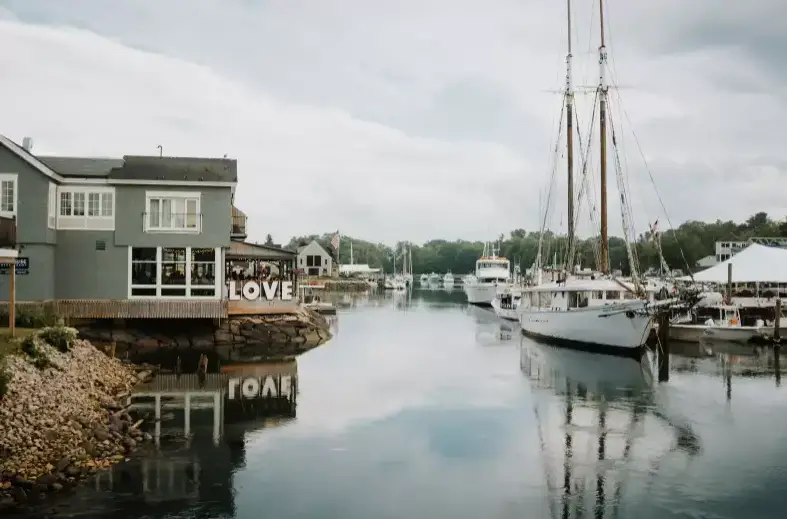 It’s not a question of whether you’re getting on a boat, but rather what kind of boat you’re getting on. | Unsplash/Trent Erwin Maine Kennebunkport The romantic qualities of coastal Maine hardly need introduction or explanation. In Kennebunkport, it’s not a question of whether you’re getting on a boat, but rather whatkind of boat you’re getting on: There’s whale-watching tours, schooners, even “scenic lobster cruises.” As far as landside activities go, you obviously have beaches and a lighthouse (off Cape Porpoise); fine-dining options like White Barn Inn; and a “tree spa” that’s literally in the treetops. Looking to head further inland for the night? About 30 minutes west in the town of Kennebunk (yes, they’re different!), you’ll find cozy, serene glampsites like Huttopia and Sandy Pines that’ll make you feel like a teenager falling in love at summer camp all over again. –KH Maryland Smith Island Ocean City is crowded and full of spring breakers, so assuming shotgunning college kids aren't what sets the mood, head to one of the Chesapeake Bay’s tiny islands instead. While they all have their merits, only Smith Island has the state’s official, multi-layer dessert: Smith Island Cake (they really thought hard on that name.) Stuff it, and so many crab cakes, into your face while staring lovingly into your partner’s eyes. Then rent some bikes or kayaks and lap the island. Don’t be alarmed by the locals’ weird accents—the place is so remote, they still have traces of English affectation. –KH Massachusetts North Adams The Berkshires are reason enough to swoon—first over the rolling hills, then over all the art, and finally over each other. Start with some intimate time in nature by meandering along easy trails in nearby Mount Greylock State Reservation. If you’d rather spend more of your time gazing at the scenic view than walking through it, you can also drive up to the summit. Either way, a tower with 360-degree vistas awaits, as well as the old-timey Bascom Lodge dishing drinks and treats. Come back down to town to fully refuel, with decent restaurants throughout downtown North Adams, lining the road all the way along a 10-minute drive to Williamstown, where the food options and cuteness only continue. After you’re done crooning over the town’s brick steeples backdropped by foliage, spend some time in Mass Moca. There’s nothing like opinions on the weirdest installations at the brick-industry-building art museum to spur conversation all evening. –Danielle Hallock Michigan Walloon Lake The fact that naturalist and iconic storyteller Ernest Hemingway chose this site above all others for his 1921 honeymoon is a testament to the beauty found on Walloon Lake in central Northern Michigan. Just a few minutes from 14 wineries in the Petoskey region and a quick two hours from the Leelanau Peninsula’s famous wine country, Walloon Lake is an entirely charming four-season destination. From spring through fall, enjoy a day out on the water with a pontoon or wake boat rental from Tommy’s Walloon before nestling into a lakeside suite at the gorgeously crafted 32-room Hotel Walloon—the sunsets over the crystal-clear, 100-foot-deep glacial lake are consistently some of Michigan’s best. –Cathy Brown Minnesota Lutsen (North Shore) The North Shore is a section of the Lake Superior coastline with all sorts of absolutely picture-perfect scenery. If it's summer, you can canoe or post up a picnic site. If it's winter, you can snowshoe or skate. And while you have many lodging options, you should probably go with the beloved Lutsen Resort, which a) literally has a page on their site dedicated to romance and b) boasts Strand, a Wine Spectator-approved lakeside dining room whose cellar is stocked with more than a thousand of bottles to choose from. –KH Mississippi Natchez Natchez is located right on the riverbank, so you have all kinds of maritime activity options on the Mississippi River. On land, there are blues concerts happening nearly every night and gorgeous antebellum homes you can actually stay in. Don't forget the distillery and winery, the carriage tours of historic Downtown, or, uh, the Bigfoot history. –KH Missouri Branson This lovely Ozark town boasts everything from scenic railway tours to butterfly palaces. The shopping and restaurant hub is at Branson Landing, which has a $7.5 million fountain production featuring fire cannons and 120-foot geysers. Think the Bellagio meets the Ozarks. It might sound terrifying, but it's pretty amazing. –KH  The options for outdoor adventure are endless here. | The Lodge at Whitefish Lake Montana Whitefish Biking, hiking, and skiing are big in the city of Whitefish, which sits just 30 minutes outside the entrance to Glacier National Park. The Whitefish Mountain Resort has an "aerial adventure park," which is basically an obstacle course in the trees, and when the chairlifts aren't being used to transport skiers, they become summertime gondola rides. Another aerial option is a hot air balloon ride with 2 Fly Us. As for indoor extracurriculars, consider a massage at one of the city's spas, cocktails at Spotted Bear Spirits, or, if you’re down to splurge and plan far in advance, an evening at The Lodge at Whitefish Lake. –KH Nebraska Valentine No, we didn't just pick it because it has romance right in the name. (Although it doesn't hurt.) Valentine—arguably Nebraska’s best small town—is a prime location to check out the state's sandhills, and it's also got the Niobrara River in the mix. Take on the Civilian Conservation Corps Nature Trail, which ends at an old fire tower. At the top is an observation deck with great views of the prairie. If plains aren't your scene, trek over to Smith Falls State Park to see the highest waterfall in Nebraska. As for accommodations, you have plenty of prairie lodges and even elk ranches to choose from. –KH Nevada Lake Tahoe A couple's trip to Nevada necessitates a redirect from the Strip and the, uh, stripping, to the state's other wonders at Lake Tahoe. It's huge, surrounded by trees and snowbanks, looks spectacular during a sunset, and considered by some (OK, USA Today) to be amongst the best lake towns in America. The snowboarding and skiing are pretty famous, but the place has just about every outdoor activity imaginable. Since it's a resort town, there are also plenty of gorgeous hotels, restaurants, and boutiques. And this is still Nevada, so there are places to play blackjack, if you're so inclined. –KH New Hampshire Pittsburg "The Snowmobiling Capital of New England" is a very specific nickname, but those winter speedsters aren't the only thing Pittsburg’s got going for it. Lake Francis State Park is a pretty big draw, although if you don't like that lake, the town has five others (and almost all of them are named after Connecticut). Be sure to seek out Garfield Falls—and the famous steak at Rainbow Grille & Tavern. Before you leave, congratulate the town on having one less letter than that Pennsylvania town. We assume it's saved so much money on tourism brochures over the years. –KH  Bring all your cottage fantasies to life. | Beach Plum Farm New Jersey Cape May Alright, get out all your jokes about "romantic New Jersey" now. You can also go ahead and mock us for picking a Jersey Shore destination, but there's a world of difference between Seaside Heights and Cape May. First off, you won't bump into Snooki here. Second, the place has wineries, breweries, museums, and theaters to pair with the requisite beach activities (parasailing, jet-skiing, and general boating). There's a downright impressive amount of B&Bs, meaning you won't have to pony up for a beach house rental, and, perhaps best of all, there’s a romantic seaside farm stay that’ll make your cottagecore fantasies a reality. –KH New Mexico Truth or Consequences If you want to get away from it all—like really, really away from it all—head out into the desert about two hours south of Albuquerque to Truth or Consequences. Despite the bizzare, Western movie-sounding name, this tiny town is utterly serene. Surrounded by mountains, it was called Hot Springs, named for the soothing mineral springs found throughout the area. You’ll find plenty of options in the aptly-named Hot Springs District, but the best of them is arguably Riverbend Hot Springs, where you and your lover can lounge on the shores of the Rio Grande. Book a soak in the private pools for extra intimacy, and be sure to stay until after dark, when fairy lights strung along the water turn the riverbank into a sight resembling an ocean of stars. –TA  The Finger Lakes are great, but the Catskills are the epitome of country-chic. | Courtesy of Lawrence Braun New York Windham Sure, New York City is fine and all, the Finger Lakes hold their own, and there’s a reason the Hamptons have attracted the likes of the rich and famous for half a century. But spend a weekend kissing your troubles goodbye in the dreamy northern Catskills hamlet of Windham and you’ll be an upstate convert in no time. Farm-to-table restaurants abound, from the low-key Windham Local to farmhouse-chic Bistro Brie & Bordeaux, while scenic cycling, skiing, hiking, and snowshoeing routes keep visitors on their toes year-round. But Windham’s most significant—not to mention romantic—draw is Eastwind Hotel and Bar’s flagship property, a sleek yet unpretentious Scandinavian-inspired property featuring a design-forward central bunkhouse surrounded by outrageously adorable freestanding A-frame cabins. Firepits stocked with complimentary s’mores, a standout craft cocktail bar, seasonal hammocks and bicycle rentals, and two wood barrel saunas straight from your Finnish fantasies sweeten the deal. –MH  Getting away from it all without actually being too far away from it all. | Chetola Resort & Spa North Carolina Blowing Rock What’s more enchanting than a weekend in the Blue Ridge Mountains of western North Carolina? Head to Blowing Rock, where you are sure to find yourselves in a trance as you reconnect at cozy Chetola Resort. Here, you’ll feel like you’re "getting away from it all” while still having access to the local restaurants and museums that lie just down the road. In winter and fall, snuggle by the warmth of an in-room fireplace; during spring and summer, hike to 5,946 feet as you enjoy the views from the highest peak in the Blue Ridge Mountains at nearby Grandfather Mountain; and year-round, visit the resort’s spa and wellness center as a relaxing cherry on top of your weekend escape. --Mikkel Woodruff North Dakota Medora We're obviously sending you to the Badlands—ignore the name, they're pretty!—but specifically to historic Medora. The town is home to Theodore Roosevelt National Park, and you know if it's got Teddy's name on it, it's a natural beaut. You can buy stagecoach ride tickets at the Chateau de Mores Interpretive Center if you still haven't gotten over your Oregon Trail obsession, or, if you’re around in the summertime, catch the famous Medora Musical. For dinner, head to Theodore's Dining Room, unless you're ready for the wacky marvel that is Pitchfork Steak Fondue, which is just as the name suggests—steaks fondued on pitchforks. –KH Ohio Logan (Hocking Hills) The Hocking Hills region has heaps of natural wonders—it's just a matter of how much you want to hike. The state park features six major trails that take you to Ash Cave, Cedar Falls, Cantwell Cliffs, Conkle's Hollow, Old Man's Cave, and Rock House. They're all spectacular, but if you want easy access to the scene above (that's Cedar Falls), your best bet is to book a spot at the Inn & Spa at Cedar Falls (it's also pet-friendly, if you brought your fur baby along). You can also really connect with your other half here over mud wraps, letting nature work its magic. –KH Oklahoma Medicine Park The tiny, hilly town of Medicine Park is barely an hour from Oklahoma City but feels like it’s lightyears away. Seemingly preserved in time, this little tourist enclave alongside the Wichita Mountains is an utter reprieve from urban hustle—one marked by cobblestone streets, rickety bridges, swimming holes, and pint-sized, creekside pastel cottages. There are also cozy cabin rentals, old-school restaurants slinging fried catfish, ice cream parlors, and cafes with ridiculously cute names like Cobblescones and Santa’s Snack Shop, the latter of which hosts an annual Rubber Duck Race in Bath Lake. When you’re done strolling Cobblestone Row, swim in Medicine Creek’s Bath Lake swimming hole, go hiking (and bison-spotting) in the Wichitas, or brave the nearby Parallel Forest, an allegedly haunted, 16-acre forest of 20,000 deliberately planted red cedars spaced six feet apart in all directions, a government experiment to offset the effects of the Dust Bowl. Cobblestone streets and government experiments, what more could you ask for? –MK  es, this really is in Oregon. | Flickr/Anupam_ts Oregon Cannon Beach You might recognize Cannon Beach through Haystack Rock, a puffin hotspot that rises 235 feet out of the water. You can walk right up during low tide to gawk at all the sea life surrounding it. But, if large ocean rocks on a beach aren't your thing, the city has several other gloomy-yet-romantic Pacific Northwestern shorelines at Ecola State Park, Hug Point, and Arcadia Beach. The non-sandy part of town offers constant arts festivals, glassblowing galleries, and creperies. Put them all together and you have one wild Saturday afternoon. –KH Pennsylvania Jim Thorpe Anywhere in the Poconos is an ideal PA getaway, but if you're planning a couples vacation, you should probably go with the the town that's often compared to Switzerland. Jim Thorpe boasts easy access to ski slopes and stables for horseback riding—and it's right by Pocono Mountain Paintball, too! (You laugh, but it worked for Heath Ledger.) The town itself is full of pretty Victorian homes, including the Asa Packer Mansion, which you can actually tour. –KH Rhode Island Newport Newport is so old money, and it absolutely knows it. The town is home to so many Gilded Age manors, there's a separate "mansions" page on its tourism site. Once you've gawked at enough chandeliers (and tour guides in absurd, old-timey hats), book a massage at one of the town's several spas, or head to the Newport Vineyards' tasting room. –KH South Carolina Landrum You're going to Landrum to stare at the Blue Ridge Mountains, and it's much easier to do that at The Red Horse Inn, a popular anniversary and honeymoon destination. (You can even get your own cottage!) Landrum is also home to Campbell's Covered Bridge, the state's only remaining covered bridge. It's a prime location for pictures and maybe a picnic. But if you'd rather not pack a basket, there's always SC barbecue. –KH South Dakota Spearfish (Spearfish Canyon) It's not often that South Dakota tops Arizona at things, but one part of the Black Hills has AZ beat. Spearfish Canyon is actually older than the Grand Canyon, and, most importantly, less populated with screaming children. The 1000-foot walls are much narrower, though, so keep that in mind as you wind your way through the rocks, trees, and creek. Make sure to hit Roughlock Falls, a beautiful waterfall featured in (ugh) Dances with Wolves, and do all the outdoorsy extracurriculars (climbing, fishing, biking, etc.) your nature-loving heart desires. –KH Tennessee Gatlinburg More couples have said “I do” in Gatlinburg than anywhere else in the South, so suffice to say this town knows a thing or two about romance. The Smoky Mountains setting allows for hiking, horseback riding, and skiing (Ober Gatlinburg is the state’s only slope). And the fact that it's in Tennessee means you can drink moonshine at several distilleries. Don't worry, there’s also wineries and breweries if you prefer something lighter. –KH Texas Corpus Christi (Padre Island National Seashore) Quick note: We're not talking about South Padre Island, where you're more likely to find a beer bong than romance. We're talking about the Padre Island National Seashore, a much calmer stretch of beach with the NPS stamp of approval. You might spy some newborn turtles crawling out to the ocean, but if you miss the hatchlings, there's still windsurfing, kayaking, and sunbathing to keep you occupied. And you don't even have to book a hotel in the next town over—the campgrounds are open year-round. –KH 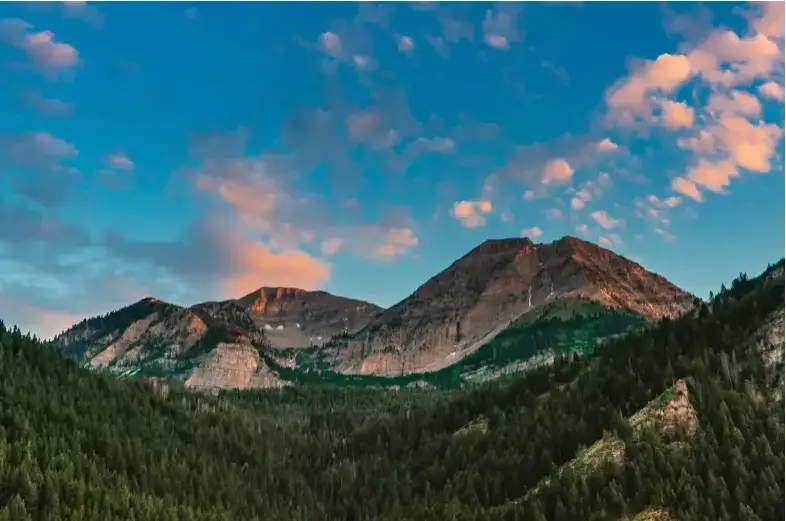 You’re going to need more than a weekend here. | Explore Utah Valley Utah Sundance There’s a reason why celebrities flock here every January, but once you’ve gotten past the film festival, Sundance remains a quiet and gorgeous mountain escape, with cabins hidden in the woods. Unlike nearby Park City, which squawks with tourists and houses piled on top of each other, arriving in Sundance instantly creates a more intimate vibe. Amid the trees, you’ll find cute wooden homes, a couple high-end restaurants with enormous windows to soak in the views, and hardly any noise other than the Provo river echoing around the mountains. In warmer months, catch a show at the Eccles Outdoor Stage, take a (very) long gondola ride for soaring vistas, or stroll one of the many trails past streams and waterfalls. In winter, ski (obviously), get a spa treatment, or take classes at the Sundance Art Studio, where you can paint, carve designs into your own stitched-together leather journal, or try your hands at a pottery wheel to recreate the steamy scene from Ghosts. Of course, you can still always swing by Park City for more selection of bars and restaurants, and be sure to make a pitstop at the geothermal hot springs inside a crater along the way. –DH Vermont Woodstock Picture book-perfect Woodstock oozes the stuff that small, quintessential New England towns are made of. They’ve got the basics down pat—golf, tennis, fly fishing, mountain biking, skiing. But for something a little more unique, try your hand at falconry; get a birds-eye view of the region on a hot air balloon or at the top of Mt. Tom in Marsh-Billings-Rockefeller Park; or visit Billings Farm & Museum, one of the nation's oldest registered Jersey dairy farms. Afterward, get your fill of the village’s staples (breakfast at Mon Vert Cafe, shopping at country store F.H. Gillingham & Sons, strolling through the farmer’s market) before sipping local brews at the nearby Long Trail Brewery or Harpoon Brewery. Book a room with a wood-burning fireplace to rekindle your romance at the elegant Woodstock Inn & Resort (complete with an award-winning spa) or stay at the more budget-friendly Sleep Woodstock Motel. –Dana Freeman 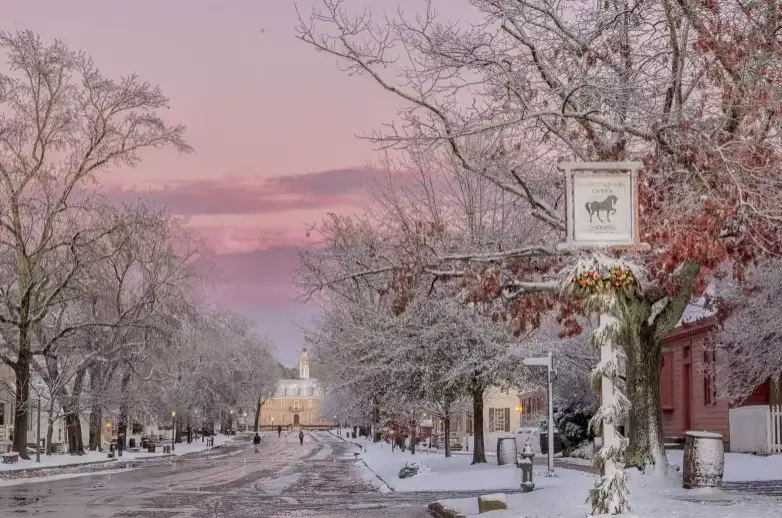 Cotton candy-colored sunsets? Check. | Visit Williamsburg Virginia Williamsburg If cuddling up on a horse-drawn carriage ride through the cobblestone streets of a fairytale village that hasn’t changed one iota since 1780 doesn’t sound romantic to you, you obviously didn’t obsess over American Girl dolls as a child. But even those numb to Felicity’s whimsical charms would have a hard time resisting Williamsburg’s undeniably idyllic landscape. Aside from wandering Colonial Williamsburg’s open-air living history museum, there’s nearby pastoral patches of wine country to explore, boutique hotels with wood-burning fireplaces to hole up by, nature trails and city squares to peruse, gourmet candlelit meals to devour, and world-class spas for that romantic couples massage. There’s no better place to find out if Virginia is, in fact, for lovers. –MH 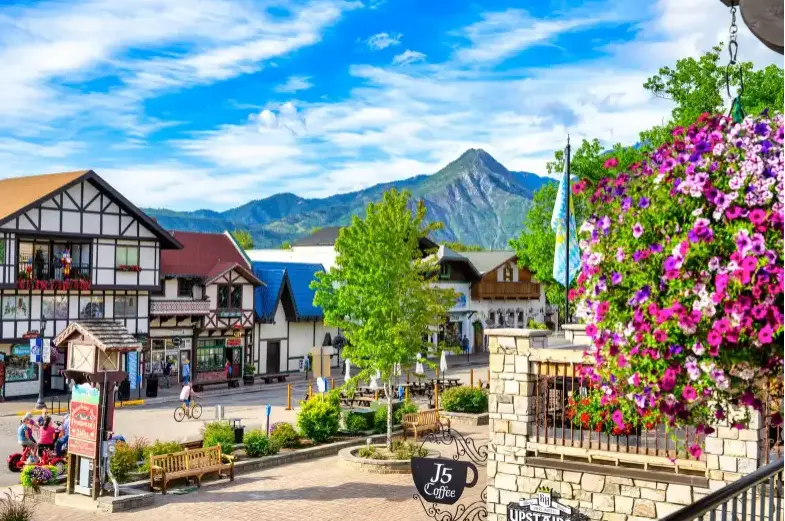 Washington State, or Bavaria? | Visit Leavenworth, Washington Washington Leavenworth Perched in the Cascade Mountains just two hours from Seattle, Leavenworth bursts with Bavarian charm. It’s best known for being an Alpine wonderland, complete with a small ski hill, plenty of snowshoe trails, fondue by the fireside, and, for better or worse, Christmastime crowds. Luckily, this village is just as beautiful any other time of year. In summer, stroll through the park along the Wenatchee River or head to a nearby u-pick farm to pluck your own apples, cherries, or pears. Book a room at the adults-only Posthotel, a European-style resort and spa with 55 rooms (some with fireplaces and soaking tubs!) each overlooking the river and surrounding mountains. The property’s wellness area is easily the best in the state, complete with hydrotherapy pools, saunas, massage nooks, and nap areas for a luxuriously decadent day of relaxation together. –Amanda Zurita West Virginia Lewisburg Downtown Lewisburg is home to all sorts of cute restaurants, antique stores, and art galleries. It's also got Carnegie Hall, which might not be the most famous Carnegie Hall, but does boast an impressive array of concerts and symphonies. The charming town has more than enough to fill a weekend, but if you feel like trekking into nature, hit up the Lost World Caverns. Then, go back inside to the adjacent dinosaur museum. –KH  Fireplaces are one way to up the romance factor. | Photo courtesy of Destination Kohler Wisconsin
Kohler Yes, that Kohler—the same company whose iconic logo marks countless sinks, showerheads, and toilets. But that’s where the comparison to bathroom fixtures ends. The ubiquitous homeware brand’s Wisconsin headquarters doubles as Destination Kohler, the Midwest's plushest five-star luxury resort complete with championship golf courses, multiple cozy lodging options, a seasonal ice skating rink, serene lakefront views, top-notch restaurants, and indulgent spa services. Treat your sweetheart’s sweet tooth to a weekend of high-end bliss by booking one of the In Celebration of Chocolate packages this Valentine’s Day weekend, which promises way more decadence than the standard bouquet and truffles combo. –MH Wyoming Jackson There's a reason Jackson comes up so much when you're talking Wyoming: It's kind of the place to be. You can see a lot of the gorgeous sights (Grand Teton National Park, Snake River Valley, etc.) via an aerial tram that runs from Teton Village to the top of Rendezvous Mountain. And thrill-seeking couples will be stoked to learn about the paragliding flights from the tram's peak—it's the largest vertical drop in the US. National Elk Refuge and Laurance Rockefeller Preserve are musts. As for shows, you can watch real cowboys compete at the Jackson Hole Rodeo or some fake cowboys sing “Bless Yore Beautiful Hide” at The Jackson Hole Playhouse. –KH 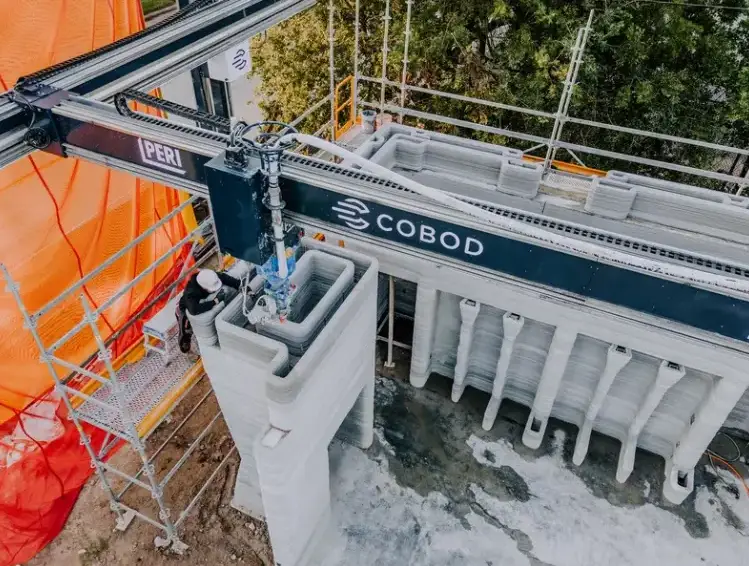 Houston is getting what's believed to be the country's first 3D-printed two-story home. Anthony Vu/Hannah 3D printing is taking home construction to new heights. In Houston, a giant printer is building what designers say is the first 3D-printed two-story house in the U.S. The machine has been pouring a concrete mix from a nozzle, one layer at a time, in hot weather and cold, alongside a sparse on-site workforce, to create a 4,000-square-foot home. While construction 3D printing has been around for over a decade, the technology has only started to break ground in the U.S. homebuilding market over the last couple of years, said Leslie Lok, the architectural designer for the project. Several 3D-printed homes have already been built or are currently in the works across a handful of states. Lok, who co-founded the design firm Hannah, says her team aims to eventually scale up their designs to be able to efficiently 3D print multifamily homes. "This Houston project is a step towards that, being a pretty large single-family house," she said.  A mock-up of the two-story home, created by the design office Hannah. Hannah The three-bedroom home is a two-year collaboration between Hannah, Germany-based Peri 3D Construction and Cive, an engineering and construction company in Houston. Proponents of the technology say 3D printing could address a range of construction challenges, including labor shortages and building more resilient homes in the face of natural disasters. With the Houston home, the team is pushing the industrial printer to its limits to understand how it can streamline the technology, in the quest to quickly build cost-effective and well-designed homes. "In the future, it has to be fast, simple design in order to compete with other building technologies," said Hikmat Zerbe, Cive's head of structural engineering. That said, timing is not of the essence for this novel project. Zerbe calls the two-story house a "big laboratory" where colleagues will study the technology's potentials in home construction. "We are not trying to beat the clock," Zerbe said. "It's a case study. We're learning the capabilities of the machine, learning the reaction of the material under different weather conditions. We're learning how to optimize the speed of printing," he said. "When this project is completed, we should have a very good idea how to proceed in the future." After starting construction in July, the printing process is almost halfway done, he says. 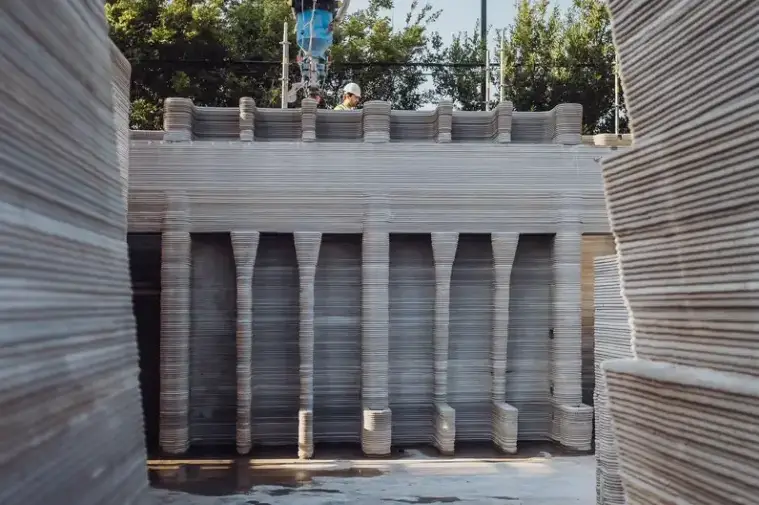 The project's design puts automated construction to the test with complicated features, like built-in shelving. Anthony Vu/Hannah Concrete can better withstand strong winds and storms, but it's a pricier building material compared to, say, wood. While in the long-term the durable and low-maintenance material may save money, Zerbe says, its preparation and installation is expensive and labor intensive. But once the 3D-printing technology is improved, he says, builders may reach a point where such construction is cheaper than non-printed housing.
On the design side, Lok sees opportunity to one day offer customized features at a mass scale, without excessive labor costs. For example, she's employed 3D printing to create unique, built-in shelving for various living spaces in the Houston home. "The printer doesn't care if you print the same chair 100 times or you print 100 different chairs," she said. "This opens up the possibility of how we can actually offer customized design for the users, whether it's a single-family house or whether it's a multifamily building or apartment."  The Top 100 winners gallery of Close-up Photographer of 2022, supported by Affinity Photo 2. Over 9,000 pictures from 54 countries were entered across eleven categories.   Your mind is a software program. Here’s how to update it, explained by global political expert Ian Bremmer. Political scientist Ian Bremmer highlights the importance of strategic thinking, which he defines as "thinking about thinking." It's a process that involves analyzing macro themes, recognizing patterns, and understanding how different factors (at the country, company, and individual level) create trade-offs for leaders. Strategic thinking isn't so much about responding to headlines or current events as it is taking a long-term view, one in which you're continually revisiting your worldview and updating it when necessary. Being open-minded and curious about different perspectives, as well as comfortable with the possibility of being wrong, are important parts of the process. As an example of a great strategic thinker, one may cite Nelson Mandela for his ability to set aside personal feelings for the good of a country's long-term future. Bremmer is the founder of Eurasia Group, an organization that for 25 years has been using political science to help investors and corporate decision-makers better understand how politics impact risks and opportunities in foreign markets. About Ian Bremmer:
Ian Bremmer is president and founder of Eurasia Group, the world’s leading global research and consulting firm, and GZERO Media, a company dedicated to providing intelligent and engaging coverage of international affairs. Ian is also a frequent guest on CNN, Fox News, MSNBC, the BBC, Bloomberg, and many other television stations around the world. Ian has published ten books, including the New York Times bestseller Us vs. Them: The Failure of Globalism which examines the rise of populism across the world. He also serves as the foreign affairs columnist and editor at large for Time magazine. He currently teaches at Columbia University’s School of International and Public Affairs and previously was a professor at New York University.  How different is your life, right now, from where you were 12 months ago? If it’s quite similar, then you haven’t been learning very much. To learn, by nature, is to change and evolve. In order to change and evolve, you need to regularly create peak experiences — those moments which create deep awe, gratitude, and a shift in how you see yourself and the world. When was your last peak experience? What was the last time you flexed your courage muscles? When was the last time you tried something that might not work? If you’re ready to make wild progress during 2023, you need to make some tweaks. This isn’t anything to be upset, distraught, or frustrated about. Life is, inherently, a learning experience. Life is beautiful. You get to have fun with it. One thing that is really beautiful about moving forward intensely in your future is that, simultaneously, you change your memory about the past. The past, regardless of what it has been — great or disappointing — will change in meaning as you make new decisions in your future. Your future is flexible. Your past is also flexible. What you have is now. You get to decide what you’re going to do. You get to decide how you’re going to live. Look around … No one is stopping you. Want to make a shift?  Here are 30 behaviors to get you started: 1. Wake up earlier “You’re more likely to act yourself into feeling, than feeling yourself into action.” — Dr. Jerome Bruner Dr. Stephen Covey once presided over hundreds of service missionaries as their leader. One of them was struggling intensely in his relationship with others. Rather than having the missionary focus on his relationships, Covey told the missionary to start waking up earlier, consistently. “Private victory always precedes public victory,” Covey told the missionary. If he could just start waking up a little earlier, and put first things first, then his interactions with others would change. But the missionary lacked the confidence that he could wake up early, consistently, for 30 days. Like most people, this young man was really good at lying to himself and hadn’t witnessed himself living in alignment with his own goals and words. “Start with seven days,” Covey told him. “Can you do that?” “Yes, I can do seven days.” Seven days later, the missionary looked like a different person. Confidence is the byproduct of prior performance. It doesn’t take much to reset how you feel about yourself. Start waking up a little earlier. Then do this: 2. Drink more water As soon as you wake up in the morning, drink a HUGE glass of water. Drinking water first thing in the morning actually makes you more alert and wakes you up. So, if you wake up and immediately drink like 20+ ounces of water, your morning sleepiness won’t last long. Having water on an empty stomach helps to cleanse the colon, which in turn increases the efficiency of the intestine to absorb nutrients. It also helps in flushing out toxins from your body. As we drink healthy amounts of water, we have smaller waistlines, healthier skin, and better functioning brains. 3. Write your goals down, every single morning “Assume the feeling of your wish fulfilled and observe the route that your attention follows.” — Neville Goddard After you pull yourself out of bed and drink a huge glass of water, find a spot to pull open your journal. Write your goals down. Do this every day. Do this first thing in the morning, every single day, and your life will change. How so? Your orientation toward your day reflects how you approach your day. Most people allow their environment and bodily addictions to trigger themselves into unhealthy subconscious patterns, which are then played-out every single day. First thing in the morning, they are sucked back into their smartphone. Then they go through their day, and not much different happens from the day before. This isn’t very creative, nor is it imaginative. But what happens when you start your day by writing down your goals and dreams for the future? How do you think this behavior would influence your imagination and creativity? Former United States President, Abraham Lincoln, once said, “The best way to predict the future is to create it.” The best way to CREATE your day is to start in a creative mode. In order to wake up in a creative mode, you must give yourself space for reflection. Writing your goals down on paper doesn’t need to take more than 2 minutes. If you’re serious about your future, it could and should take longer (like 10+). As you write your goals down, you shift your subconscious patterns. You train your brain to begin LOOKING for what you want. As Dan Sullivan has said, “Your eyes can only see what your brain is looking for.” Most people’s brains have been trained to be lazy. They haven’t proactively set their brain on a search for what they want. As a result, incredible opportunities pass them by every day unawares. But there’s more. When you visualize your future in the form of writing goals, you literally re-wire your brain and memory. While writing your goals, get yourself into an aroused emotional state. Imagine and feel what it would be like to have those goals. The more emotional the writing, the more subconsciously shifting the experience. The more emotionally arousing, the more your brain will create new neural connections. As your brain makes new neural connections, your memories, and perspective of the world changes. This is how you create a “peak-state” every morning. A peak-state is simply feeling incredibly good about where you currently are, and having complete confidence and clarity in where you’re going. A peak-state is similar to a “peak experience,” wherein you feel immense awe and gratitude for life. Your mind and brain are expanded and changed, daily. What would happen if your mind and brain changed, daily, to reflect the person you intend to become and the future you intend to inhabit? It’d be pretty amazing, right? Well, then get yourself some peak-states and experiences every morning. Within a short period of time, you’ll begin to see the world from the perspective of your goals. You won’t see the world from the perspective of your current circumstances. You’ll only see your goals and possibilities. They’ll be more real to you than your present circumstances. Your brain will see the world differently. Your behavior will be different. Your mindset and emotions will be different. You’ll feel far greater gratitude and awe for life. You’ll feel a deeper connection to yourself, God, and others. You’ll love other people more. You’ll love yourself more. You’ll love life more. Because you feel a greater connection, you’ll feel safer about life. Because you feel safer, you’ll be more imaginative and creative — and thus more willing to take risks and embrace adventure. You’ll learn stuff that is outside your comfort zone. You’ll be willing to set wildly “unrealistic” goals. Every morning, you’ll have 15–30 minutes of complete creative fun in the cave of your journal. Your morning journal then becomes the doorway to a new universe where anything is possible. You’ll write with greater and greater intensity and joy. You stop inhibiting yourself with your conscious mind and allow your subconscious mind to take-over — stream-of-consciousness writing. You stop editing yourself. You just write. And as you write, you’ll see CRAZY and AMAZING things go from your hand to your pen to your paper to your head… all from your heart. “Wow! Did I really just write that?” says your conscious mind. “Absolutely,” echoes your increasingly confident subconscious. 4. Put your phone on airplane mode more often “Efforts to deepen your focus will struggle if you don’t simultaneously wean your mind from a dependence on distraction.” — Cal Newport, Deep Work: Rules for Focused Success in a Distracted World Time is the ultimate currency in life. But in a world of constant connection to screens, a more accurate currency is time spent not looking at screens. The amount of time you spend not looking at a screen reflects the quality of your actual life. You can use screens to entertain yourself and produce amazing work. But that work, although interesting and important, should produce a better quality of life in the real world for you. How much time do you spend away from screens on a daily basis? Perhaps more importantly, how much time do you spend staring at screens during prime-time, which is in the evenings and morning? How present are you to the world and those around you? How much time and genuine attention do you give your loved ones? How much do they feel your love? As someone who is the parent of children from a rough background, I have learned that children need to know you love them. They need to feel protected, like they matter. Research shows that parent’s habits around cellphones directly influences the emotional well-being and future habits of their children. Which means that given most people’s habits around technology, the rising generation is basically doomed to digital addiction and distraction. It doesn’t need to be this way. Children need to be taught how to control their emotions and impulses. They need to know they matter. They need to feel your love. This isn’t just true of children. It’s true of spouses and, really, all relationships. How good is your relationship with others? The answer to that question is a pretty accurate indicator of your level of happiness and purpose in life. Thomas Monson said, “Never let a goal to be solved become more important than a person to be loved.” Sadly, in the case of the world today, people not only put their goals above their loved ones, but they put mindless time-wasters and screen scrolling above their loved ones. Put your phone on airplane mode and watch as your life improves. The more present you can be in life, the more creative you’ll be, the better your mind will function, the more you’ll be able to concentrate and focus. If you give yourself space away from your notifications and distractions at night, you’ll have a far more meaningful, deep, and enjoyable life. You’ll EXPERIENCE more of the world — rather than your screen. As you give yourself space away from your notifications and distractions in the morning, you’ll have the rare but available privilege of putting yourself into a peak-state every morning, wherein you prime your mindset, emotions, and brain to operate from your ideal future. That brain priming will create peak experiences, which will allow you to feel deep awe, gratitude, and inspiration on a daily basis. Those emotions will change how you see and act in the world. You’ll live more powerfully. You’ll be less apathetic. You’ll begin taking on bigger challenges, and thus, your life will become less predictive of the past. You’ll be able to engage your mind in creative and imaginative thinking — which will change how you view yourself and the future. Your life may look and feel pretty average now. But in 365 days, you may just be embarrassed by who you are right now. Your life may start looking wildly creative, imaginative, and non-conventional. You yourself may become a unique and peculiar person — one with skills and abilities to attract amazing mentors, business partners, and friends. 5. Go on walks A.M.A.P (as much as possible) Steve Jobs, the late co-founder of Apple, was known for his walking meetings. Facebook’s Mark Zuckerberg has also been seen holding meetings on foot. A recent study by Stanford researchers further explains why walking enhances creativity and insights. The study found that walking indoors or outdoors similarly boosted creative inspiration. Across the board, creativity levels were consistently and significantly higher for those walking compared to those sitting. “Many people anecdotally claim they do their best thinking when walking. We finally may be taking a step, or two, toward discovering why,” Dr. Oppezzo and Dr. Schwartz wrote in the study published this week in the Journal of Experimental Psychology: Learning, Memory and Cognition. Whether you walk in the morning, afternoon, or evening, you’ll be stunned by the creative insights and clarity that come as you give yourself space to walk. Lately, I’ve been walking between 3 and 6 miles per day in the mornings while listening to audiobooks. Wow! The amount of inspiration and insights I get during these walks often leads me to start running, so I can get back to my car and start putting all of the inspiration to work. Start walking. Your life will change, as will your health. The potent combination of writing your goals down daily and giving yourself SPACE to think will change your life. It will help you clarify your goals. It will give you the insights and ideas you need to achieve your goals. It will help you know what you need to do, right now, to make needed adjustments in your relationships and daily tasks to move forward. Not only is walking good for creativity, it’s one of the best things you can do for your longevity. In the book, The Blue Zones: Lessons for Living Longer From the People Who’ve Lived the Longest, Dan Buettner studied the cultures that produce the most healthy 100-year-olds. A common theme he found among these populations is that those who reach 100 years and older often have a daily habit of walking. Go on daily walks and live to be 100. 6. Clearly prioritize your life “If you have more than three priorities in your life, you have none.” — Jim Collins Your priorities are more important than your values and goals because quite literally, your priorities are where these things become real. Your priorities reflect your priorities and goals. If you are not doing something in your life, like exercise, for example, it’s not because you don’t have time. Rather, it’s because it is not a priority to you. Anything you are not currently doing on a regular basis IS NOT A PRIORITY TO YOU. If you say spirituality is a priority to you, but you rarely engage in it, then you are lying to yourself. If you say investing in your future is a priority to you, but you spend most of your time distracted on the internet, then you are lying to yourself. Your daily behaviors are a mirror — an honest assessment of your priorities in life. Your priorities reflect to both yourself and the world what you value and what you aspire towards. If you can get your priorities right, then you can generally get everything else right. So, what are your priorities? What are the things that matter more than anything to you? What do you believe in? What do you stand for? What do you want for your life? If you can’t answer these questions, then you can’t prioritize your time and your life. And as a result, you won’t have the clarity, confidence, or motivation to focus your time and attention toward building the future you desire. Get clear on your priorities and productivity becomes easy. 7. Eliminate all non-priorities (your life is a product of your standards) Writing your goals in your journal every morning helps your brain create the outcomes you’re striving to create. Writing your priorities in your journal regularly helps ensure you’re pursuing the right goals. As you hone and clarify your priorities, have the courage to eliminate all the things in your life that don’t match. No one is perfect at this. For all of us, there is a mismatch between our daily behaviors and what we want our priorities to be. It is your responsibility to spend the majority of your time on your core priorities. Only then will they actually be priorities. If you don’t think you can do this, then your subconscious hasn’t been expanded enough yet. Once you expand your subconscious, your life will reflect your priorities (more on this below). The first step is courageously eliminating everything that isn’t what you believe in or want for yourself. This act, in itself, is a profound message to yourself and others that you are serious about something. Spend all of your time on those things you value most — on those things which you believe go beyond the here-and-now. The more time you can spend on things you believe to be of infinite worth, the more powerful your daily life and behavior will be. As a rule, I only invest my time in things that add to my present experience and my future. Thus, I invest time in relationships that I plan to have forever, like with my family and friends. I invest time in my education and growth. I invest time on work I believe in. I invest in experiences that create profound memories. What do you invest time in? Is this investment making your future better than your past? 8. Become more playful and imaginative “Imagination is more important than knowledge. For knowledge is limited to all we now know and understand, while imagination embraces the entire world, and all there ever will be to know and understand.” — Albert Einstein Life is meant to be a joy, not a grind. You get to be creative and playful about how you design and live your life. In fact, you are a creator. If man is made in the “image of god,” then man is, by nature, a creator. Even if you don’t believe in God, research clearly shows that imagination is linked to learning and emotional wellbeing. Moreover, the opposite is also true: the less emotionally mature a person is, the less likely they are to be imaginative and creative about themselves and their lives. Dr. Carol Dweck has produced some of the most important research in psychology in the past 50 years. The essence of her work is that many people have a “fixed” mindset about themselves, wherein they believe they can’t learn, change, and develop. Others have a “growth” mindset, wherein they believe they can change, grow, and evolve. If you have a fixed mindset, then imagination probably isn’t a big part of your life. Having imagination means you’re mentally and emotionally flexible. In order to be mentally and emotionally flexible, you need to feel protected in your relationships — particularly with your parents, your higher power if you have one, and other key people in your life. In order to be imaginative, you have to see beyond what is currently in front of you. You need to be willing to see things that may or may not be “real” or “true,” but could be. Imagination is about playing and creating — without respect to the outcome. Being imaginative about your future means you believe you can do and be things that others can’t see. You’re not interested in odds or statistics. Instead, you’re driven by curiosity and play. You’re motivated by your WHY and what’s possible. You don’t care if other people can’t see the future you can see. You’re a creator. You know you can learn and transform. You’ve done it in the past, and you’ll do it again. Like Einstein, you emphasize imagination over knowledge. 9. Create more peak experiences “Peak experiences as rare, exciting, oceanic, deeply moving, exhilarating, elevating experiences that generate an advanced form of perceiving reality, and are even mystic and magical in their effect upon the experimenter.” — Abraham Maslow Maslow said that, in order to become self-actualized as a person, you need to have a multitude of “peak-experiences.” Peak experiences are those moments where your soul is stretched such that it cannot go back to its prior dimensions. Peak experiences, by nature, are novel and new. They involve experiencing or seeing the world in a new way. In order for you to have a peak experience, you need to be open to new experiences. You need to be humble. Peak experiences are more likely to happen outside of your comfort zone. They generally involve “experiential” learning. Last week, my wife gave birth to two beautiful twin girls. They have my heart. They are gorgeous. Last week was a peak experience for me. I’m now a new person. My motivation has changed. My priorities have honed and clarified. My vision for my future has expanded. Creating peak experiences is how you change the trajectory of your life. They are those pivotal moments that are so meaningful that they serve as check-points — core memories — directing your future path. Peak experiences don’t need to be rare. They are only as rare as your courage is exercised. If you begin being courageous daily, you’ll start having more peak experiences. As you have more peak experiences, your emotional wellbeing will increase, and thus, your imagination and ability to direct and create your future will expand. But even more — through having peak experiences, your memory will change. A healthy memory is a changing memory. As you have new and powerful experiences, you’ll create new associations with your past, and thus, change the very fabric of your memories and identity. Put simply, you can and must create experiences that change your identity. As your identity changes, your future will change. Einstein wisely said, “The measure of intelligence is the ability to change.” Change can only happen by imagining a different world, and then courageously seeking new and expansive experiences. Change happens as you learn and expand your world. 10. Deepen your relationship with your parents “The parent-child connection is the most powerful mental health intervention known to mankind.” — Bessel van der Kolk In the important book, The Body Keeps The Score, Bessel van der Kolk M.D. explains that suppressed emotions and trauma lead people to unhealthy and addictive cycles. One of the most fundamental components of making a positive change in your life is developing a healthy relationship with your parents — whether they are alive or not. Your relationship with your parents is a powerful indicator of your emotional well-being as a person. It doesn’t matter how “successful” you appear on the outside, if you don’t have this key relationship established, then chances are you are an emotional wreck. Oftentimes, people have “toxic” or unhealthy parents. These parents should be viewed and treated with love and forgiveness, not spite and disdain. As you improve your own life and deepen the relationship with your parents, you often give them permission to expand and evolve themselves. They need you just as much as you need them. 11. Develop other “protection” relationships In a recent interview, Kobe Bryant told the story of his first year playing basketball at age 11. He scored zero points. He was terrible. After that season, his dad looked him in the eyes and said, “I don’t care if you scored 60 points or 0 points. I will love you no matter what.” That was exactly what Kobe needed to hear. He knew that regardless of his behavior — he was safe. His father would love him. This protection gave Kobe permission to fail. It gave him permission to take risks. The buffer of his father’s love allowed Kobe to step outside of his comfort zone — to the only place high performance can exist. If you don’t feel protected in your relationships, it can be hard to push your own boundaries. It can be hard to be free because you’re actually a slave to the relationship. This is living in an unhealthy dependent state where everything you do is based on trying to please other people. But when you feel loved and protected regardless of outcomes, then you can rise to independence and attempt things that will likely fail, often. The next season, Kobe began failing intensely and as a result, he began learning intensely. He left his comfort zone behind and began playing in the realms of creativity and imagination — where no limits were placed upon him. All he had to do was step beyond the boundaries of who he had been in the past, and step into the new role and identity emblazoned in his own imagination and fortified by his father’s love. He embraced the unknown over and over because he was willing to be free — free to see what was possible, to fail, to explore, to create. Free to become legendary. Do you have powerful protection relationships in your life? Do you feel stabilized and safe? Do you have a firm foundation that allows you the flexibility to jump way outside of your comfort zone, and yet be safe? 12. Less “avoidance-behaviors” In psychology, there are two core forms of behavior — avoidance or approach. Avoidance-behaviors are where you’re putting energy toward avoiding something from happening. Avoidance-behaviors are generally focused on risks, rather than the potential for growth. Avoidance-behaviors often happen when you don’t have protection and emotional-safety in your life. For example, Kobe Bryant’s first year playing summer basketball reflected avoidance-playing. He didnt’ feel free to fail, so he avoided failure. He was worried about his dad’s love and opinion. Therefore, he wasn’t free to be imaginative and creative. He was playing life on emotional defense because he wasn’t protected. When you feel safe and secure emotionally and spiritually, you are empowered to play life on offense — approach behavior. And approach-orientation toward life doesn’t mean you’re a reckless risk-taker. What it means is that you are willing to courageously face risks to accomplish meaningful and important goals. When the WHY is strong enough, you’ll be willing to endure any how. You’re less worried about the risks or difficulty involved because your focus is on your goals and dreams. Your priorities are clear. You’re moving forward. Nothing is going to stop you. 13. More “subconscious-enhancing” behaviors/experiences Every behavior and experience you have in your life either elevates or downgrades your subconscious mind. Your subconscious mind reflects what you perceive and experience as “normal” in the world. As Dr. David Hawkins explains in his book, Letting Go: “Our unconscious will allows us to have only what we believe we deserve. If we have a small view of ourselves, then what we deserve is poverty. And our unconscious will see to it that we have that actuality.” Every behavior signals to your subconscious what you think you deserve and what you believe about the world. When you sit and stare at your cellphone mindlessly, your subconscious structures your world around that reality. You see that behavior as “normal,” and your life then formulates itself around the quality of that behavior. But you can create “subconscious enhancing experiences.” You can have experiences that radically expand your subconscious perception of normal. You can regularly “reset” what normal life is for you. You can create a “new normal” regularly. You do this by having powerful experiences and by behaving in powerful ways. You can create experiences on a daily basis that “reset” your perception of normal. I recently decided to treat myself to a “fine-dining” experience as an experiment in subconscious resetting. I went to a really great restaurant in a different country, and just soaked-up and absorbed the experience. This is “normal,” I felt. Being surrounded by brilliant and interesting people can become normal. Engaging in powerful and important daily behaviors can become normal. Feeling inspired and living in a peak-state can be normal. Not worrying about money every day can be normal. Having transformational experiences daily can be normal. What’s crazy is that, over time, your life really will change. It may be imperceptible and subtle. But your daily life and daily experiences will be radically different than they were 2 to 3 years ago. You’ll have reset your normal world. This should happen regularly. 14. Become more emotionally flexible Your emotional flexibility represents your ability to regulate your emotions in challenging situations. How flexible are you? How adaptive are you? Do you control your emotions or do your emotions control you? Everything you want in your life is on the other side of fear. However, in order to get there, you must courageously cross that threshold and then successfully navigate the unknown of being outside of your comfort zone. Emotional flexibility, then, represents your ability to 1) step outside of your comfort zone, and 2) successfully navigate the emotional craziness of the unknown. The only way to become more emotionally flexible is to practice. To regularly expose yourself directly to what you fear and avoid. To move forward. You must be more courageous. You must try stuff that might not work. You must be bolder. Then, as you experience the emotional shock of the unknown, you need to get better at moving forward toward your goals — regardless of how you feel in the moment. This doesn’t mean you suppress your emotions. Nor does it mean you ignore them. Instead, you appreciate and acknowledge your emotions as a real factor in your situation. Then you allow those emotions to be a part of your experience and you continue to direct your focus on your goals, not the perceived risks or threats you think may happen. This is being approach-oriented. This is being courageous. This is how you shatter unhealthy emotional patterns. This is how you shatter subconscious blocks. This is how you re-write your memories and heal your past traumas and blocks. By proactively creating your future, you simultaneously heal your past. You need to shock your system. To quote Napoleon Hill, “A good shock often helps the brain that has been atrophied by habit.” 15. Focus on 90-day sprints rather than New Years’ Resolutions New Years’ Resolutions don’t work. Think we know that by now. So what’s a better method? A better method is setting 90-day sprint goals. Every 90 days, you review the previous 90 days, then you set new goals for the next 90 days. Every 90 days, you reset and re-assess. Some epic questions you could ask yourself every 90 days come from Dan Sullivan, who has coached more successful entrepreneurs than anyone on the planet: “Winning Achievements? Looking back over the past quarter, what are the things that make you the proudest about what you have achieved?” “What’s Hot? When you look at everything that’s going on today, which areas of focus and progress are making you the most confident?” “Bigger and Better? Now, looking ahead at the next quarter, what new things are giving you the greatest sense of excitement?” “What are the five new ‘jumps’ you can now achieve that will make your next 90 days a great quarter regardless of what else happens?” Every 90 days, you should have a celebration for the progress you’ve made. You should focus on results rather than time spent. Every 90 days, you should see clear and tangible progress toward your goals. Every 90 days, you should be able to observe changes in your environment, income, and life. Every 90 days, your life should increasingly reflect your highest priorities. You can do this. Forget New Years’ Resolutions. 90-day sprints, then recovery breaks, are much better. They’re more sustainable. They’re more action-oriented. They allow you quicker feedback and more energy, results, and excitement. 16. Rest more “Recovery never stops.” — Mike Mancias, LeBron James’ performance coach Recovery is productivity. Sleep is for geniuses. Rest isn’t just sleeping. It’s taking breaks. It’s focusing on short spurts of intense activity, followed by long breaks filled with fun and engaging experiences. How imaginative are you about the design of your life? In his TED talk, Stefan Sagmeister shares his unique story of how he focuses on “recovery.” He’s a famous designer in New York. Every seventh year, he closes his studio and spends a full year traveling the world and “not working.” Yet, during this recovery time, he gets more creative insights and inspiration to fill the next six years. If you apply this principle to your daily life, you can have far more creativity and inspiration in your life. Proactively give yourself quality time away from your work. The better quality your life is away from work, the more effective and creative you’ll be while you’re at work. This concept is known as “psychological detachment from work.” Research has found that people who psychologically detach from work experience: Less work-related fatigue and procrastination Far greater engagement at work, which is defined as vigor, dedication, and absorption (i.e., “flow”) Greater work-life balance, which directly relates to quality of life Greater marital satisfaction Greater mental health 17. Think more “I’m talking about deliberately setting aside distraction-free time in a distraction-free space to do absolutely nothing other than think.” — Greg McKeown, Essentialism: The Disciplined Pursuit of Less One of the reasons you need to give yourself time in the morning and evening is simply to allow yourself the space to think. How much time do you spend just thinking daily? Another reason to walk regularly is to provide time to think. The more time you have to think deeply about your life, your goals, and your priorities, the better decisions you’ll make regarding those things. While I’m walking — even if I’m listening to audiobooks — I’m also thinking about my life and goals. In fact, I’m often getting so many ideas that I need to carry a notepad with me to capture the ideas. In large measure, the quality of your thinking determines the quality of your life. Most people have the same recurring thoughts, every single day. In fact, 95% of a person’s thoughts each day are the same thoughts as yesterday. This is a horribly ineffective use of the creative brain. If you’re constantly upgrading your life and learning new things, then your thoughts will continually be changing, expanding, and connecting. You’ll become a creative genius. You’ll more fully enjoy life. You’ll achieve your goals more quickly because you’ll learn how to turn your thoughts into reality. You won’t get stuck for years in the same repetitive thought patterns. Give yourself time to think. Record your thoughts. Get better at training the garden of your mind. What you plant, you will reap. 18. Give more “Life gives to the giver and takes from the taker.” — Joe Polish One of the most powerful mental transitions a person can make is going from taker to giver. As a parent of five children, I can attest that, primarily, these children are focused on getting. Without question, they give a lot of love. But for the most part, they are interested in their own survival and needs. Becoming self-actualized as a person means you’ve developed the inner and outer confidence to have your own needs met. You can then dedicate the rest of your life to contributing to the world at large and transforming lives. Darren Hardy, the author of the Compound Effect, has said, “A person’s life can generally be measured by the size of the problems they are trying to solve.” What size of problems are you solving in the world? How much do you really want to contribute? Are you still primarily focused on what you can get out of life, or what you can give? When it comes to powerful relationships, you will not be able to develop them from a transactional-approach, wherein you’re trying to get everything you can from the relationship. Joe Polish is the founder of GENIUS NETWORK, considered by many to be the top-tier of entrepreneurial masterminds. He has a list of “rules” that he expects of those whom he interacts with. He calls it his “Magic Rapport Formula.” The principles of his formula are the following: Focus on how you will help them reduce their suffering Invest time, money, and energy on relationships Be the type of person they would always answer the phone for Be useful, grateful, and valuable Treat others how you would love to be treated Avoid formalities, be fun and memorable, not boring Appreciate people Give value on the spot Get as close to in-person as you can You must evolve beyond your small-mindedness to a transformational-relationship approach, wherein you are entirely focused on giving, gratitude, and growth. 19. Invest more in yourself Although a religious example, this next story is incredibly instructive and fascinating. George Q. Cannon was a leader of the Latter-Day Saint Church some time ago. As a young and impoverished man, he approached his tithing practice in a unique way. Tithing, in that faith, is Biblical and encourages members to pay 10% of their income. But George was highly imaginative in how he paid his tithing. Rather than paying retroactively, wherein he paid 10% of what he earned, he decided to pay 10% of what he intended to earn in his future. In a talk, Dr. Wendy Watson further expounded on this story: When his bishop commented on the large amount of tithing poor young George was paying, George said something like: “Oh bishop, I’m not paying tithing on what I make. I’m paying tithing on what I want to make.” And the very next year George earned exactly the amount of money he had paid tithing on the year before! George Q. Cannon was not transactional in his religious approach to tithing. He was transformational. He didn’t see tithing as a cost, but an investment in himself and his relationship with his faith. Whether you are spiritually-minded or not, the implications of this story are psychologically instructive. How was he able to turn his financial investments into upgraded skills and mindsets? Rather than acting from your present circumstances, you act from your future circumstances. Rather than living from the present or past, you can “assume the feeling of your wish fulfilled.” This is one of the reasons to write down your goals daily — it allows you to live as though your desired future is already a concrete fact. But this is also another reason to invest money in yourself, your relationships, your priorities, and your future. When you invest in something, you upgrade your subconscious mindset around that thing. Essentially, you’re saying to yourself — I can be, do, and have more than I currently am. This is why imagination is so key. In George Cannon’s case, he invested in his relationship with his God, which led to a 10X transformation. Investment is always a more powerful mindset than seeing things as a cost. 20. Invest more in others “Never believe that a few caring people can’t change the world. For, indeed, that’s all who ever have.” — Margaret Mead You love what you invest yourself in. You love who you invest yourself in. Wrote William Shakespeare, “They do not love that do not show their love.” Love comes after investment — emotional, time, financial, etc. — when it comes to relationships. Love is a powerful force, but it is not so much a feeling as it is a “verb.” Love is an action. The ensuing feelings we often call “love” is really connection — something which is quite rare these days. The more you invest of yourself in others, the more connected you’ll be to them. The more you invest yourself in humanity, the more you’ll care about this entire planet. And the more you’ll see that people are important, every single person. 21. Invest more in organizations/causes you believe in “For success, like happiness, cannot be pursued; it must ensue, and it only does so as the unintended side effect of one’s personal dedication to a cause greater than oneself or as the by-product of one’s surrender to a person other than oneself.” — Viktor E. Frankl, Man’s Search for Meaning What are you deeply committed to? What do you truly believe in? Do you even know? Success and happiness are unintended “side-effects” that come from being dedicated to something you truly believe in. Success and happiness are unintended “side-effects” that come from being intensely invested in someone else’s success and happiness. If you’re still trying to find happiness for yourself, you’ll be searching for a long time, and likely in all the wrong places. Hence, for most people, happiness is an elusive illusion leaving them chasing. As the Indian author and educator Ruskin Bond said, “Happiness is an elusive state of mind not to be gained by clumsy pursuit. It is given to those who do not sue for it: to be unconcerned about the desired good is probably the only way to possess it.” 22. Focus on progress over “time” “The faster you move, the slower time passes, the longer you live.” — Peter H. Diamandis Time, as we understand it, is an arbitrary construct. In physics, time is not the passing of minutes on a clock. Rather, time is the velocity and distance traveled by a particular object. Light travels at approximately 186,282 miles per second (299,792 km per second). Therefore, a light-year is 5.88 trillion miles (9.5 trillion km). The earth is 238,900 miles from the Moon. Therefore, the Moon is about 1.3 light-seconds away. The earth is 92.96 million miles from the Sun. Therefore, the Sun is a little over 8 light-minutes away. The earth is 33.9 million miles (54.6 million kilometers) from Mars. Therefore, Mars is 187 light-seconds, or 3.11 light-minutes away. Each of these are a measure of “distance.” Recent research in the science journal “Astronomy & Astrophysics,” shows that our Milky Way galaxy may be bigger than we previously imagined. Specifically, our spiral galaxy’s vast rotating disk of stars spans at least 170,000 light-years, and possibly up to 200,000 light-years. If you could drive across at an averaged 60 miles an hour, it would take more than 2 trillion years — which is around 150 times greater than the age of the universe, estimated to be about 13.8 billion years. The point of all of this is to say, “time” is not time as we understand it. Time is actually a measurement of distance. According to Einstein’s relativity theory, the faster an object moves through space, the slower time goes. At the speed of light, time stops altogether. In the Christopher Nolan film, Interstellar, there is a beautiful scene that depicts the reality of “time dilation” — the stretching and constricting of time. The astronauts enter the orbit of a planet in a different galaxy moving enormously faster than the orbit of our earth. In fact, the planet is moving so fast that for every hour they spend on that planet, seven years pass by on earth. As a result, they need to move quickly, because if they lose a few hours then everyone they know back home will be history. The “experience” of time is the same for everyone — regardless of how fast you’re traveling. But the reality of time is based on distance traveled. Why are we talking about this? Because you shouldn’t measure your life based on how long something takes. Instead, you should measure your life based on how far you go. Time is a distance. From this perspective, you could travel the same distance in a single day that many people travel in their entire lives. And without question, most people are simply trying to pass away the time. Because they aren’t making tangible progress toward any meaningful goals, time flies by. They are simply “working for the weekend,” because the rest of their week is almost too painful to endure. Why is it too painful to endure? Because they aren’t actually making any meaningful progress. But if you start being courageous and powerfully honest with yourself, you can move farther as a person in a day than you have in potentially years or decades. If you make acting courageously a way of life, you can start traveling so fast that — as a few hours pass by for you, years or decades have occurred for those around you. The faster you move in the desired direction, the slower time will move for you. 23. Focus on purpose over process “When a measure becomes a target, it ceases to be a good measure.” — Marilyn Strathern Time relativity is a reason to focus on results over “process.” Many people argue that you should focus solely on the “process” and ignore the results you get in life. But, the world doesn’t really work this way. The world works based on outcomes and results. At the end of the month, you’re still going to have to pay your rent — regardless of how masterful your “process” is. According to Dan Sullivan, there are two types of people: those who get results and those who have reasons for not getting results. Don’t be a person with reasons. Ironically, one of the most common “reasons” people say they aren’t getting results is because they don’t care about them, but instead, only care about the “process.” Even though Alabama Football says their only focus is “the process,” you better believe Nick Saban is upset if they don’t win. The process is a means to an end — the goal you’re trying to accomplish. The goal determines the process, not the other way around. In the book, So Good They Can’t Ignore You: Why Skills Trump Passion in the Quest for Work You Love, Dr. Cal Newport explains that many young people mistakenly seek a life of “passion.” According to Newport, people seek a job they are “passionate” about because they are self-absorbed. They’re only thinking of themselves. Instead of seeking “passion,” Newport recommends you go through the laborious process of developing rare skills and abilities for the purpose of helping other people. In other words, become incredibly useful to others and society at large. Rather than seeking passion directly, passion is an unintended byproduct of doing something well. When you’ve invested yourself into something, you love that thing. But most people want instant gratification. They want cheap love. They don’t want to earn something. An obsession and focus on “process” is equivalent to an obsession and focus on “passion.” It’s entirely focused on the self. Instead, you should have something important and meaningful you’re attempting to accomplish. As the saying goes, “When the WHY is strong enough, you’ll figure out the HOW.” The process should be fluid. As Tony Robbins said, “Stay committed to your decisions but stay flexible in your approach.” If you’re truly committed to something, then you’ll do whatever it takes to get that thing — regardless of whether or not you “enjoy” the process. For you, the work is too important not to do. You’re not committed to any specific approach — you’re only committed to achieving what you believe needs to be done. According to Albert Einstein, “The definition of insanity is doing the same thing over and over again, but expecting different results.” If you’re not currently successful at what you’re doing, then you’re probably going to have to change your process. Unless of course, you really don’t care about the results. Then you can keep doing what you’re doing. But don’t get mad if things don’t change. 24. Focus on skills over passion “Passion comes after you put in the hard work to become excellent at something valuable, not before. In other words, what you do for a living is much less important than how you do it.” — Cal Newport Rather than looking for your passion or looking for that perfect “process,” decide what you either want to do, or believe you should do, and then go about getting that thing. The steeper the learning curve, the better. In the book, The Art of Learning: A Journey in the Pursuit of Excellence, Josh Waitzkin tells the story of how he become a world champion in Tai Chi. When given unsupervised practice time, Waizkin observed that most others in his Tai Chi class would naturally practice with those at their same skill-level or slightly worse. This was done in many ways out of ego, because who wants to lose? It’s more fun to beat someone when given the opportunity. Waitzkin took the opposite approach, and applied a principle he termed, “investing in failure.” He would purposefully practice with people far more skilled than he was. In so doing, he would get the crap kicked out of him, over and over. However, this process — rooted in his desire to advance himself — compressed and quickened Waitzkin’s skill development. He could experience first-hand the abilities of those often years ahead of him. The mirror neurons in his brain allowed him to quickly mimic, match, and counter his superior competitors. Thus, he progressed much faster than others in his class. How steep is your current learning curve? How fast are you learning? How much are you failing? Are you avoiding failure and loss? If so, what does that say about your imagination for yourself? If you’re avoiding failure and loss, what does that say about the depth of your WHY? It’s been said that you do not “rise to the occasion,” but instead, “fall to the level of your preparation.” But how do you effectively “prepare” yourself? How could I properly “prepare” myself to immediately go from zero to three kids when my wife and I became foster parents? I could have spent years reading books, going to seminars, and learning everything I could to “prepare” myself for parenting. And I’m sure a lot of that stuff would have been helpful. But instead, we simply threw ourselves into the fire of learning. Did we fall flat on our face several times? Absolutely! We still do, especially now that we have five kids! But experiential learning is far more powerful than abstract learning. The best form of “preparation” is by rising to an occasion. The fastest way to learn something is when the stakes are high. When the situation is set up so that you’re getting immediate feedback on your performance. When it really matters that you adjust and figure stuff out. According to “The Pygmalion Effect” in psychology, human beings actually do rise or fall according to the demands and expectations of the situation. Therefore, if you really want to develop skills and abilities, don’t wait until you’re ready to start. Those who become successful always start long before they feel ready. They live in an approach-manner, rather than an avoidance-manner. Rather than trying to accumulate an enormous amount of information BEFORE acting, they take action first, and then based on the intensity of the feedback they receive, they THEN have the clarity to acquire the right information to properly move forward. Put simply, you are never pre-qualified to do something great. It is the act of doing the thing that qualifies and transforms you. 25. Focus on relationships over money “It pays to be nice to the people you meet on the way up, for they are the same people you meet on the way down.” — Wilson Mizner When you decide you really want to be successful, then you realize that you must develop meaningful and important relationships. Life is about “who” you know, more than “what” you know. In other words, you could have all the skills and abilities in the world, but if you can’t work well with people, your chances of success are far diminished. However, if you have skills and learn how to use those skills to help the right people, your success will skyrocket. 26. Focus on family over surface-level friendships “You leave home to seek your fortune and, when you get it, you go home and share it with your family.” — Anita Baker “Families are the compass that guides us. They are the inspiration to reach great heights, and our comfort when we occasionally falter.” — Brad Henry “No other success can compensate for failure in the home.” — J.E. McCulloch There is some wild research on how children develop emotional maturity and flexibility in life — and it depends very much on the care they get from their parents. In the book, Hold On to Your Kids: Why Parents Need to Matter More Than Peers, Gabor Maté M.D. explains the negative psychological consequences that happen when children emotionally attach to peers, rather than parents. When children and adolescents build their deepest emotional attachments with their peers, then they become obsessed with that attachment. This attachment can lead them to become less creative, imaginative, and flexible in their lives. Put simply, you need deep and healthy bonds with family. If you don’t have a family, then build one. Said bestselling author, Ryan Holiday: For all the productivity and success advice I’ve read, shaped and marketed for dozens of authors in the last decade, I’ve never really seen someone come out and say: Find yourself a spouse who complements and supports you and makes you better. Instead, we’re supposed to believe that relationships tie people down, that they are the death knell for creativity and ambition.” 27. Focus on creativity over consumption “When you can do a common thing in an uncommon way; you will command the attention of the world.” — George Washington Carver “You can’t use up creativity. The more you use, the more you have.” — Maya Angelou “If it doesn’t sell; it isn’t creative.” — David Ogilvy “The principal mark of genius is not perfection but originality, the opening of new frontiers.” — Arthur Koestler “Vulnerability is the birthplace of innovation, creativity and change.” — Brené Brown True creativity takes courage. It takes courage because creativity in it’s most honest and pure form is what Seth Godin calls, “Emotional labor.” Creativity is transformational because it involves imagination and attempting something that could fail. It involves unveiling a certain side of yourself to others in attempts of creating a connection. Creativity heals and transforms former wounds, making you a far more capable and powerful person. It’s fascinating, but research has shown that creativity can help people overcome addictions. Addiction is an unhealthy attempt to resolve suppressed trauma and pain. The only way out of suppressed emotion is through courageously moving forward in life. When you create something, you go deep into an emotional place and release it in a new form. This creative act can shift your memories and emotions, allowing them to become healthy and changed. Creativity not only transforms your emotional life, but it can also transform your financial life. Professionals create, while the masses consume. Everything you’ve ever bought or used was created by someone else. What are you creating? 28. Focus on growth over status Most people, if they are honest with themselves, want “success” because of some form of status it will give them. They won’t admit this to you, but deep down, the status is what matters. It is for this reason that success is generally short-lived for most people. Once they achieve a certain degree of status, their motivation for doing the work goes away. When your focus is on status, your job becomes to create and maintain that status. This is particularly common in today’s social media world where everyone is attempting to be famous for one thing or another. Growth often comes at the expense of status. In order to keep growing, you’ll need to risk the status and success of your past for something new and better. The reason most writers will never succeed is that ultimately, what they really want is status. Yet, deep down, they also feel this strange belief that they need to be “pure” to their art, so they don’t want to do it for money. People who go on to become successful at something are not afraid of success. They aren’t afraid of making money. But money inherently isn’t interesting to them. They are fascinated by growth and pushing their own boundaries. They can never actually quantify “success” because, for them, that very idea is continuously changing. They’ve never arrived, and they never intend to arrive. They don’t care about their previous achievements. They don’t care about their status. Do they have a status? Of course! When growth is your focus, status generally comes. But that status doesn’t matter. There’s no attachment to it. And there’s certainly no fear about losing that status. People seeking growth are willing to embrace the unknown. They’re willing to fail. They’re willing to attempt stuff that may not work. Actually, when true growth — seeing how far you can actually go — is your only true measure of success, then you’re willing to risk everything you’ve previously built to attempt what you want or believe you should do. 29. Focus on learning over entertainment “Change is the end result of all true learning.” — Leo Buscaglia “While I thought that I was learning how to live, I have been learning how to die.” — Leonardo da Vinci “If you are making mistakes, then you are making new things, trying new things, learning, living, pushing yourself, changing yourself, changing your world. You’re doing things you’ve never done before, and more importantly, you’re doing something.” — Neil Gaiman “You don’t learn to walk by following rules. You learn by doing, and by falling over.” — Richard Branson I started this article by saying that you could change your whole life in a single year. 2019 could be your year to transform your life. But you cannot change your life without learning something new. Because the process of change forces you to adapt. If you strive to make big leaps in your life, you’ll be forced out of your shell of comfort. By very nature of being out of that shell, you’ll experience a great deal of stress. If you acquire emotional flexibility by properly handling those emotions, then you’ll transform yourself You’ll change your relationship with your emotions. You’ll change your memories and your past. You’ll also transform your brain and your very biology. If you’re not embarrassed by the person you were 12 months ago, then you didn’t learn much. Rather than asking yourself “How long could this take?,” a more interesting question is, “How far could you go?” How far could you go in a single year? The faster you move, the slower time passes. In the next 12 months, you could learn and do more than many people do in their entire lives. According to Jean-Jacques Rousseau, “The person who has lived the most is not the one with the most years but the one with the richest experiences.” Transformational experiences are those “peak experiences” that alter your life. How many peak experiences have you had in the past 12 months? How many peak experiences are you going to have in the next 12 months? How many mornings are you going to wake up and immediately put yourself into a peak state? 30. Focus on investment over cost “The cynic knows the price of everything and the value of nothing.” — Oscar Wilde Nothing is a cost. Everything is an investment. And the more you look at life as an investment, the more you’ll focus on what you can give rather than what you can get. This is what blows my mind about most people: they aren’t willing to invest in themselves. They see things like education, mentorships, mastermind groups, and other similar things as a “cost.” In other words, they don’t believe they are worth it. However, when your mindset shifts from “cost,” to “investment,” then you start investing big time in yourself, your skills, your relationships, your environment, and the other things that are important to you. When you come from the perspective of investment, you are totally open. When you come from the perspective of cost, you are closed off. Investment is how George Q. Cannon saw his tithing. Perhaps most people see it as a cost. Investment transforms. Cost doesn’t. Do you see yourself as a cost or an investment? Do you see your relationships as a cost or an investment? Do you see your work as a cost or an investment? When you shift to investment, you begin to experience 10X thinking. You begin to stretch your subconscious mindset about what you can have and be and do. You come to realize that you as a person are incredibly flexible and fluid. In other words, you can change and transform. Investing in yourself shatters unhealthy subconscious patterns and courageously places yourself in a higher and more elevated plane, wherein you can rise to new occasions. Are you going to invest big in yourself in 2023? Are you going to focus on giving, gratitude, and growth? Are you going to be transformational? Are you going to go 10X in 2023? Have you ever gone 10X before? You can do this when you start investing in yourself. When you stop seeing yourself as a cost.   A new study from WalletHub suggests the Garden State may be one of the happiest places in the entire country. In overall happiness, New Jersey ranked …  Are you always looking for the coolest underrated places in New Jersey? We’ve got a quick list for you that highlights some of our favorite hidden gem spots! How many have you visited so far? 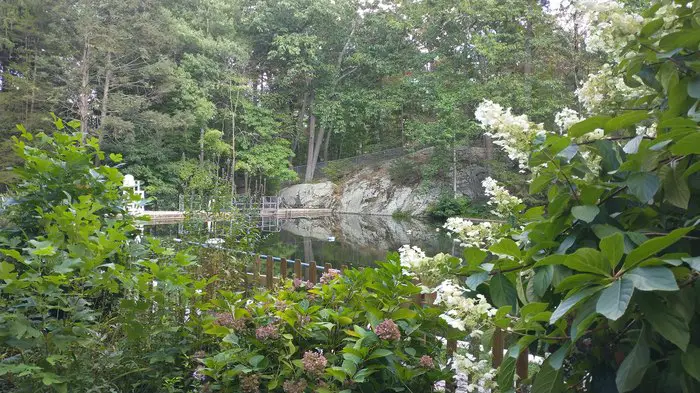 1. Highlands Natural Pool, Ringwood This natural spring-fed pool in New Jersey is one of the best places to cool off on a hot summer day. Come relax in the mountains and soak your stresses away!  2. Allaire's Dinosaur Forest The only Dinosaur Forest in New Jersey is right here in Allaire State Park. Explore this fascinating public art project and meet a whole bunch of your favorite dinos up close! 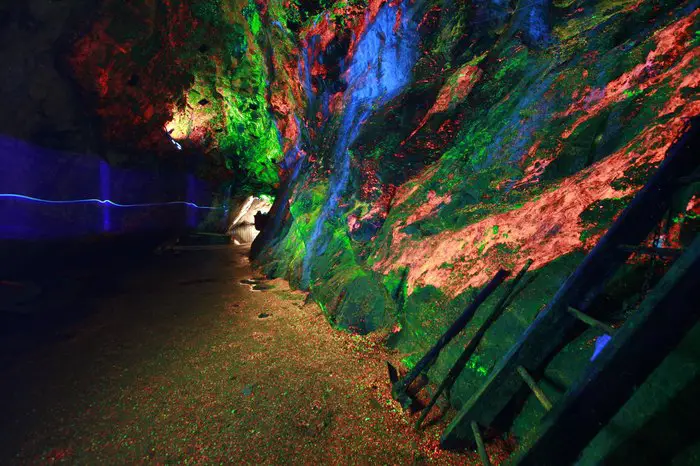 3. Sterling Hill Mining Museum Talk about underrated places in New Jersey! The Sterling Hill Mining Museum is a true hidden gem. Who knew you could take a mine tour in New Jersey?  4. Sayen House and Gardens If you want to take an easy trail that transports you to another world, walk around Sayen Gardens. This garden park in Hamilton is one of the most underrated places in New Jersey.  5. Big Snow American Dream, the Meadowlands The only Indoor Ski Slope in North America is right here in the Meadowlands. Big Snow is located at the American Dream Mall and it's a blast for experienced and novice skiers. Those new to the sport will find the gentle slope and small crowd size helpful when learning how to stop and turn, and more experienced skiers can use the excellent lift-to-slope-time ratio to run drills, practice new skills, or try out park features. Did we highlight a spot that you love? If you haven’t visited the places listed above, you’ve got to clear your calendar and get exploring! Address: Highlands natural pool, 180 Snake Den Rd, Ringwood, NJ 07456 Address: Allaire State Park, 4265 Atlantic Ave, Wall Township, NJ 07727 Address: Sterling Hill Mining Museum, 30 Plant St, Ogdensburg, NJ 07439 Address: Sayen House and Gardens, 155 Hughes Dr, Hamilton Square, NJ 08690 Address: Big SNOW American Dream, 1 American Dream Wy, East Rutherford, NJ 07073  Much of the success of plant based meat startups depended not on vegetarians and vegans, who only make up a small slice of the consumer market, but on omnivores and self-described “flexitarians,” who were looking to plant-based alternatives for the sake of their health and the environment. But it looks like flexitarians’ attitudes are changing. Inflation, supply chain issues and dwindling customer satisfaction has brought startup investment into plant-based meat to a standstill. Funding went from almost $2 billion in 2021 to around $800 million in 2022, according to Crunchbase data. And these challenges are likely to continue in 2023 as startups work to find ways to deliver healthy plant-based meat products at a reasonable price. While the outlook for plant-based meat is dismal, the far quieter cell-grown meat industry saw some good news in 2022. California-based Upside Foods got word from the Food and Drug Administration in November that its lab-grown chicken is safe to eat. For the first time in years, funding for plant-based and cultivated meat has nearly reached dollar parity. But investors aren’t putting all their eggs into a new basket. It’s clear that meat alternatives have not delivered on their promises to consumers. “A lot of meat consumption is emotional,” said Lisa Feria, CEO of food venture firm Stray Dog Capital. “And a lot of the plant-based consumption and purchase is rational.” 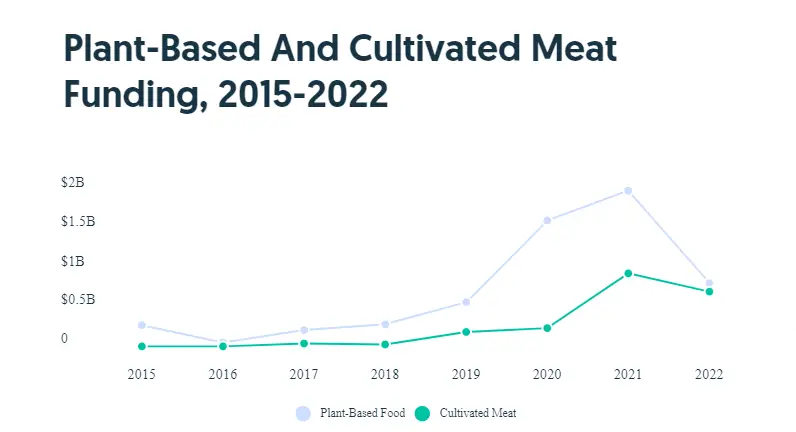 An unforgiving market
In November, plant-based meat giant Beyond Meat shared some sobering news during its quarterly earnings call: The company posted net revenue of $82.5 million and losses of $101.7 million. The company said it would lower the amount of product it manufactured and revisit its marketing strategy to only certain consumers. It’s a sharp descent for a company that went public in 2019 to nearly double its share price. Other plant-based meat startups face the same reality, and new innovations in the sector will face more frostbite from the venture market than before. “In the past two or three years, a lot of plant-based food companies got funded that should not have gotten funded,” Feria said. “So part of what you’re seeing in the market is an adjustment to that. The products are repetitive and not really great.” According to a 2021 Good Food Institute report, health is the primary driver for plant-based meat purchases. But it turns out these early movers in ultraprocessed plant-based meat weren’t, on the whole, that much healthier than the real thing. Nor were they any tastier, or cheaper. The cost of manufacturing these products has gone up 60% to 70%, and distribution costs have spiked as a result. Everything from plant-based cream cheese to plant-based eggs to plant-based meat have seen shelf prices soar. The GFI report found that more than 60% of consumers would eat more plant-based meat if it was cheaper or less processed. All of this contributed to the sector’s economic decline in 2022. “There was a lot of initial purchase and interest in plant-based meat products, but not as much repeat purchase as was expected,” Matthew Walker, managing director of agriculture-focused firm S2G Ventures, said in an email. “You have a consumer that purchased a product at a premium price and may not have felt that the taste, mouthfeel, or nutrition sufficiently justified making that product a staple item on their grocery list.” Tall order for 2023 Plant-based meat startups will face a difficult task this year: to create products that taste just as good as (if not better than) the incumbent, while also being healthier and cheaper. “The strategy we see as top of mind involves those solutions that make plant-based meats perform better for the consumer, have cleaner labels, and introduce nutritional benefits that go beyond the ‘halo effect’ that this recent wave of products enjoyed but seems to have declined,” Walker said. Cultivated meat, which uses stem cells to grow proteins streaked with fat and tendons in petri dishes, has emerged as a possible alternative for those discerning flexitarians. But we won’t see them on the grocery shelves any time soon. The industry is still working out how to scale its products in expensive labs. Singapore became the first country to approve cultured meat for sale in 2020 with Eat Just’s lab-grown chicken. (The startup has raised $225 million since then.) And following the FDA’s “safe to eat” letter for a lab-grown chicken startup, the U.S. is on its way to seeing cultivated meat reach small-scale distribution levels, like how Impossible Foods opened in a few select restaurants. But investors are hesitant to promise too much too fast. Studies show that consumers will be far less forgiving of cultivated meat than they were of plant-based meat. “[For plant-based meat], I’m going to give some space for that because I want a trade off, which is nutrition and health,” Feria said. “When it comes to [cultivated] meat, because you’re trying to deliver the same product you have to deliver the same experience or better.” Article written by Keerthi Vedantam Illustration: Dom Guzman  Health is one of the most important things to take care of if you want to live a long and happy life. However, this doesn’t mean extreme dieting or strenuous exercise every day. Good health is about finding the right balance between healthy habits and fun. While having strong knowledge of healthcare and how to look after yourself is an advantage, you don’t need to be an expert to be healthy. If you’re interested in expanding your knowledge on staying healthy and the healthcare industry, you can find lots of courses online. Healthcare leadership courses online give you a better understanding of how the industry works, allowing you to develop your career within healthcare. This is a great way of putting your passion for health to good use. However, you can still be healthy without working in healthcare. Here are some of the most important things you should know about health.  It’s important to be proactive
Being proactive means taking measures to prevent a situation from occurring. It’s the opposite of being reactive, where you only respond once a situation has occurred. Proactivity is the single most important thing you can do for your own personal health. By being proactive, you can help prevent healthcare issues before they happen and control any issues if they do occur. Rather than simply hoping you don’t get ill, being proactive will mean you’re always trying to improve your health and working to stay healthy. You should take regular cholesterol tests, check your blood pressure and check yourself for any lumps or bumps. If you’re worried about anything, you can speak to a doctor to get it checked. Additionally, if you have a family history of certain conditions, you should be extra careful with your health. Setting the right habits Being healthy doesn’t have to mean big changes to your lifestyle. The easiest and simplest way to stay healthy is to set the right habits that allow you to be consistent. Over time, you can increase these if necessary, but sometimes it’s much easier to start off with small changes. Make sure your habits include getting enough sleep, the right amount of exercise and eating nutritious foods. Although setting habits can be hard at first, it will soon become second nature. If you have trouble remembering certain things, you can write down notes to yourself or use certain apps that make setting habits easier. You can also pair some habits with things you do naturally. For example, if you normally shower each morning, you can make sure you do a few minutes of exercise before getting your shower. Look After Your Mental Health Your mental health is just as important as your physical health. Mental illnesses such as depression and anxiety can cause serious issues and have a major impact on people’s lives. If you want to live healthily and happily, you need to take care of both. Improving your physical health can have a positive impact on your mental health, but you should also ensure you’re enjoying your leisure time and getting enough time to relax. Getting outdoors can also have a significant impact on mental health. In the modern world, many people don’t get to enjoy nature much, spending their time indoors working or watching shows and movies. Spending a few hours in nature a week has a proven impact on mental well-being, and it’s a great way to exercise too. Aside from this, you can work on reducing your stress and trying meditation and other relaxation techniques to stay in control of your mind and mental well-being.  There are so many unique hotels in New Jersey, it would be nearly impossible to make a comprehensive list of “best places” that didn’t go on forever. From our luxury hotels to quaint bed and breakfasts, we’ve got it all when it comes to lodging. Certain places stand out because they’ve got something special.
1. Bungalow Hotel, Long Branch A hip boutique hotel, Bungalow Hotel was named one of the chicest in the country by Elle Magazine. You'll love the spacious rooms and modern decor. The Pier Village location is ideal for summer beach trips and holiday shopping weekends. Designed and decorated by a duo of architects, the entire building is a work of art.  2. Element, Ewing Element is another modern masterpiece, with an eco-friendly twist - the building is LEED Silver Certified. Amenities include an indoor poor, fitness center, free bike rentals, an electric car charging station, complimentary breakfast and evening reception. The hotel is conveniently located near Princeton and Trenton.
3. Grand Cascades Lodge, Vernon Grand Cascades Lodge is New Jersey's ultimate year-round getaway. The AAA 4-diamond resort is located right in the heart of Mountain Creek, which offers skiing, tubing, mountain biking and a water park. The property itself features several golf courses, fishing, award-winning dining, access to a massive indoor athletic center, and the magnificent biosphere indoor pool complex. You'll also find a spa and planned activities including murder mystery dinners.
4. Southern Mansion, Cape May Cape May is often seen as a summer destination, but it's just as charming during the holiday season. Should you visit, The Southern Mansion is the place to be. It offers the utmost in luxury and southern hospitality. With authentic vintage furnishings, you'll feel as if you've stepped back in time. If you're planning a December stay, be sure to check out the Christmas craft fair and the Dickens Victorian Christmas Extravaganza  5. Chelsea Pub and Inn, Atlantic City A historic hotel, Chelsea Pub and Inn lacks the glitz and glamour of the boardwalk hotels, but makes up for it in charm. Bring your pets, play pool at the bar, or borrow one of the many board games available! You're just minutes from shopping and nightlife, yet somehow so far away from it all. You'll love the homey atmosphere, hot breakfast and complimentary cocktail. You'll also love the prices.
6. The Woolverton Inn Bed & Breakfast, Stockton The rooms at Woolverton Inn Bed and Breakfast are lovely, but the cottages are incredible. The Audubon Cottage, pictured, features a fireplace and double whirlpool tub. Called one of the most romantic getaways in the country by the Washingtonian, consider adding a spa package to your couples getaway. Breakfast and afternoon refreshments are included and not to be missed. The seasonal specials are spectacular.
7. Whistling Swan Inn, Stanhope What makes Whistling Swan Inn unique? The affordable elopement packages and authentic tea parties. Have your dream wedding with up to six guests for under $1500, including a two night honeymoon! The Inn is also well-known for its authentic tea parties including beautiful antique bone china tea accoutrements, one-of-a-kind teapots, linens, and silverware, dainty fresh-cut sandwiches, scrumptious home-made scones, savory bites, and customized desserts for just $21.95 per guest. Enjoy antique shopping in nearby Andover.
8. Icona, Diamond Beach The ultimate luxury beach getaway, book your stay now for the best rates. A resort, Icona offers incredible amenities including surf lessons, fitness classes on the beach, an oceanfront bar and galley kitchens in every room and suite. Rent a bike or enjoy a massage by the water - the options are endless. Don't worry about the crowds, this beach is private
9. Feather Nest Inn, Cherry Hill A quirky couples hotel, Feather Nest Inn offers themed suites with jacuzzis and fire places! Ideal for an offbeat anniversary getaway, this is your chance to stay in Tahiti, Treasure Island, a tree house, or cave - there are 12 themed suites to choose from. It's a bit dated, but definitely unique. Enjoy a complimentary breakfast and champagne on Friday and Saturday evenings.
10. Chimney Hill Estate, Lambertville Enjoy a luxurious stay located on a working alpaca farm, just minutes from charming downtown Lambertville. You'll enjoy spacious rooms with period furnishings, a complimentary breakfast and delicious baked goods. You can even schedule a tour to meet the Alpacas when staying at Chimney Hill Estate.
11. Summer Nites, North Wildwood You're going to flip for this 50s themed bed and breakfast - it's the hippest place in town. You feel me, daddy-o? All jokes aside, Summer Nites is a great place to stay and one you certainly won't forget. Guests will enjoy the unique box car diner complete with 1953 Seeburg Jukebox, pool table and vintage game room, and authentic 50s memorabilia. The perfect time to visit, other than a summer night? The 1950s themed New Year's party is sure to be a blast, and Elvis Weekend in April is always a hit. Address: Bungalow Hotel, 50 Laird St, Long Branch, NJ 07740 Address: Element Ewing Princeton, 1000 Sam Weinroth Rd, Ewing Township, NJ 08628 Address: Grand Cascades Lodge, 3 Wild Turkey Way, Hamburg, NJ 07419 Address: The Southern Mansion, 720 Washington St, Cape May, NJ 08204 Address: Chelsea Inn, 8 S Morris Ave, Atlantic City, NJ 08401 Address: Woolverton Inn, 6 Woolverton Rd, Stockton, NJ 08559 Address: Whistling Swan Inn, 110 Main St, Stanhope, NJ 07874 Address: ICONA Diamond Beach, 9701 Atlantic Ave, Diamond Beach, NJ 08260 Address: Feather Nest Inn, 703 Hampton Rd, Cherry Hill, NJ 08002 Address: 207 Goat Hill Rd, Lambertville, NJ 08530 Address: Summer Nites, 2110 Atlantic Ave, North Wildwood, NJ 08260  When you think of a vacation in New Jersey, you probably think of the Jersey Shore. If you are looking for a quieter option, you have to try Lake Hopatcong. Lake Hopatcong is New Jersey’s largest lake, and there is no end to the fun your family can have here. The scenery around Lake Hopatcong is stunning. No matter what time of year you visit, the scenery around Lake Hopatcong is stunning. You can rent a boat or bring your own to head out onto the water and take in the sights.  Spend some time at Hopatcong State Park. Hopatcong State Park is a beautiful place to go have a picnic with your family, go for a swim in the lake, and enjoy all of the nature around you.  Take an easy hike through the State Park. The trails in the Hopatcong State Park are easy, flat hikes. The whole family will be able to enjoy a relaxing stroll through the park. 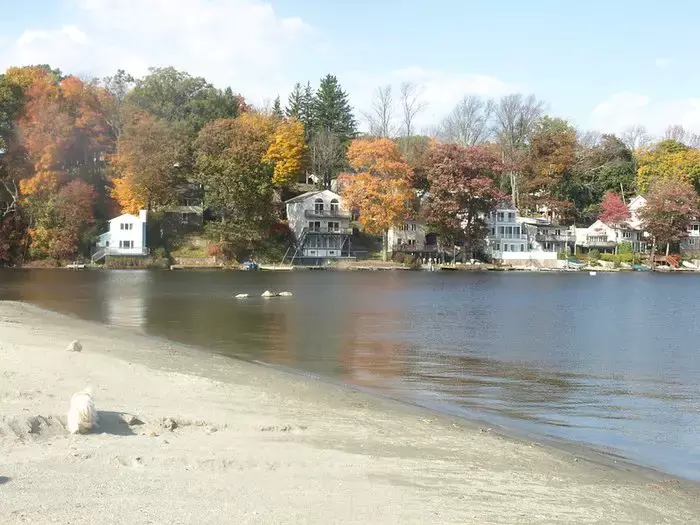 You have to spend a day on the beach. The Hopatcong State Park has a beautiful beach for swimming and spending the day in the sand. The beach has everything you need, including concessions.  The Lake Hopatcong area has plenty of lodging options. The Whistling Swan Inn is a popular bed and breakfast near Lake Hopatcong. The Inn has kept it's stunning Victorian charm and has all the amenities you could want.  You'll love the endless dining options around Lake Hopatcong. The Windlass is a popular waterfront restaurant in Lake Hopatcong. This historic restaurant has been running for several generations and is open year-round. 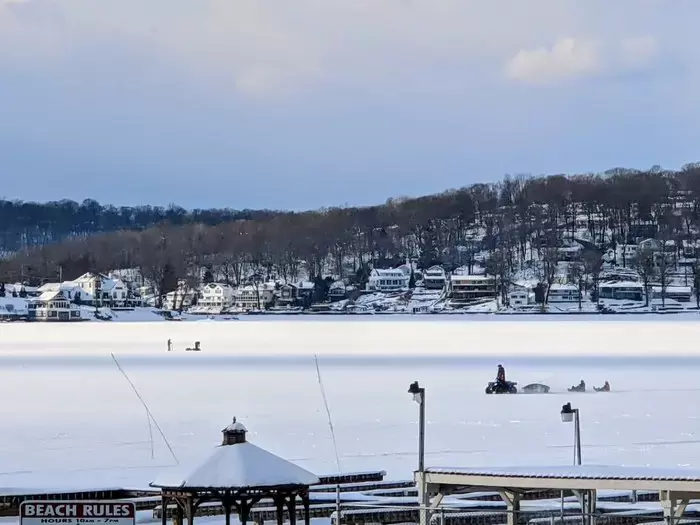 Plan your trip for any season. Lake Hopatcong is stunning no matter the season. You'll find a variety of activities for the family any time of the year, and the changing scenery is always sure to please. Have you ever visited Lake Hopatcong? What’s your favorite thing to do? Address: Lake Hopatcong, New Jersey, USA Address: 45 Nolans Point Park Rd, Lake Hopatcong, NJ 07849, USA Address: 110 Main St, Stanhope, NJ 07874, USA 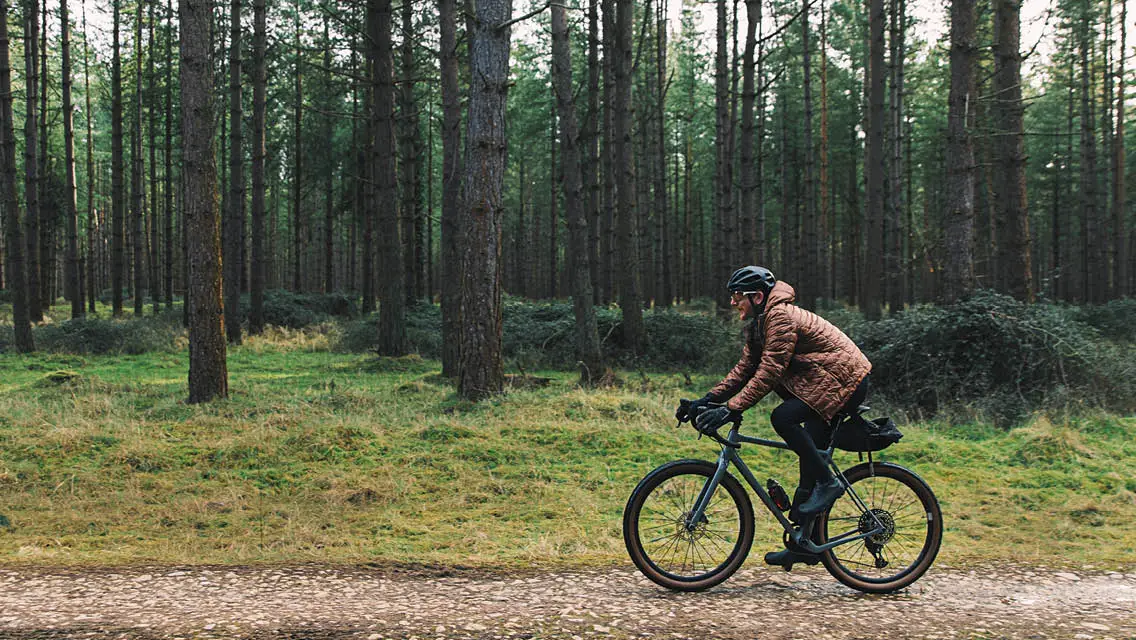 We could all use a little R&R, especially as autumn ramps up. Try these ideas to get out of the house for fun and restorative mini vacations.
Last year, my husband and I signed our daughter up for summer camp in Michigan but neglected to plan a vacation for ourselves. In figuring out the logistics of transporting a teenager across two states and around one Great Lake, however, we saw our opportunity for a sojourn of our own: Put her on a plane to camp, then drive to pick her up — and sneak in a microgetaway for ourselves during the journey from point A to point B. So, we loaded up our trail bikes and headed for Michigan’s Upper Peninsula (UP). We booked two nights at a historic inn not far from our midtrip destination: Grand Island National Recreation Area, a half-mile ferry ride on Lake Superior from the UP’s north shore. At that point, it was time for a microgetaway — one glorious day of biking through old-growth hardwoods along weather-worn cliffs, with turquoise and cerulean extending to the horizon. Perhaps because it was so micro, I remember almost every hour of that adventure with my sweetie. What if we all did more of this sort of thing? Getaways don’t need to be full vacations to be meaningful: Maybe we shift our mindsets around vacations altogether and start looking for smaller, more frequent opportunities to refresh, restore, and recreate. Consider these ideas. All’s Fair at the FairsSummer’s end is rife with last-ditch hurrahs (and huzzahs), so if fairs and festivals are your thing, you probably won’t have to look far. Some of the nation’s biggest state fairs, including those in Texas, Minnesota, New York, Oklahoma, and Massachusetts (the Big E showcases all six New England states), take place in late summer or early fall, so go enjoy food-on-a-stick for a day or a week. If medieval costumes and jousting excite the imagination, hop online and find a Renaissance Festival near you. Don’t forget end-of-season art fairs, music festivals, and film festivals. (Check out www.festivalnet.com to search for events by date and location.) Look for cultural celebrations in your community as well; September 15 to October 15 is National Hispanic Heritage Month, and there may be events where you can celebrate, learn, and enjoy amazing food. Favorites for FoodiesHarvest season (hint: that’s now) is ideal for getaways that get you in touch with the sources of your food. Pack up the kids and head to a nearby U-pick farm for an afternoon in an apple orchard or pumpkin patch. Gather friends for a weekend of wine, cider, or kombucha tasting. Or take a foraging class and learn what’s in season in your neck of the woods. (Check out www.eattheplanet.org for foraging-based tours around the country.) Explore your town’s farm-to-table restaurants. Venture to a nearby pizza farm (trending in the Midwest and picking up steam in other parts of the country), where you can bask in a bucolic environment while noshing on a pie made from local ingredients. Or explore www.farmstayus.com to find a weekend farm vacation. Have Hobby, Will TravelHow do you spend your free time? Pair your hobby with a quick getaway. Once a railroad town on the prairie, Hamilton, Mo., is now a mecca for quilters, boasting 12 quilting-centric shops that are all owned by the same family, whose Missouri Star Quilt Company transformed the community. It also features a quilt museum, restaurants and lodging, and the world’s largest spool of thread. Whether you’re a knitter, woodworker, poet, or vintage-car lover, there’s a retreat or convention or other destination for you. Love antiques? Sketch out an itinerary to visit small-town antique shops. Avid reader? Look up book-lover tours in your favorite city. Go fly-fishing. Scout out record stores, vintage shops, or yoga studios whenever you’re in a new town — because even a business trip could double as a microgetaway if you keep your eyes open. Fall Is for Nature LoversBreak out your fleece and flannel and get outside. Crisp fall air is around the corner, and if you plan it right, you can spend your weekends chasing fall foliage — heading north for early oranges and following the color cascade as it marches south. Speaking of heading south, grab a pair of binoculars and find a nearby bird-migration hot spot to behold the mass exodus. Favorite viewing destinations include Cape May Point in New Jersey, famous for raptor sightings; Horicon National Wildlife Refuge in Wisconsin, where you might see a dozen or more duck species alone; and Santa Ana National Wildlife Refuge in Texas, where hundreds of species pass on their way to Central and South America. State and national parks, forests, and grasslands beckon this time of year — they’re less crowded, especially once school begins, and you’ll soon find cooler temperatures and fewer bugs. Pitch a tent or rent a cabin and spend a day or a weekend exploring. You can lace up for a hike to a waterfall or other geological points of interest or hit the singletrack on a mountain bike. Drive the scenic routes. At night, lie back on a blanket and watch the stars. Check out www.nps.gov for information on national parks, and www.fs.usda.gov for national forests and grasslands. For on-the-go maps of hiking trails, try the AllTrails app. Go Small and Stay HomeIf you need a quick change of scenery but can’t venture far, try booking a night at a local hotel. Get up the next day and explore your own town’s museums and galleries — the ones you haven’t visited yet. Sign up for a walking tour and learn fun facts you can share with your next out-of-town guests. If your town boasts an arboretum, zoo, or aquarium, appreciate it with the eyes of a tourist. Take in a concert. Unwind at a day spa. You can go even smaller with the nano-getaway: Grab a lawn chair, leave your phone at home, and head to a nearby park or the banks of a neighborhood pond. Breathe. In a pinch, you can even go virtual: During the pandemic, online retreats and virtual tours filled in where travel had to leave off, and many offerings are still available. Check out Airbnb Experiences, Amazon Explore, and Flyover Zone for digital excursions that at least give you a taste for what you’ll do once you can truly get away. This article originally appeared as “Make Your Own (Micro-) Getaway” in the September 2022 issue of Experience Life.  State Line Lookout, Alpine, NJ 07624 The park's backdrop is the beautiful Palisades Cliffs and its trails provide hikers with not only natural beauty but incredible views of the New York City skyline. Trails are open 30 minutes before sunrise - 30 minutes after sunset. New Jersey is home to a wide range of fantastic hiking trails, ranging from beginner-friendly loops to expert level endeavors. The trail featured today is closer to the latter. While it’s not incredibly long, coming in at just 4.3 miles, the Giant Stairs hike at Palisades Interstate Park is quite a challenging adventure. Are you up for it? 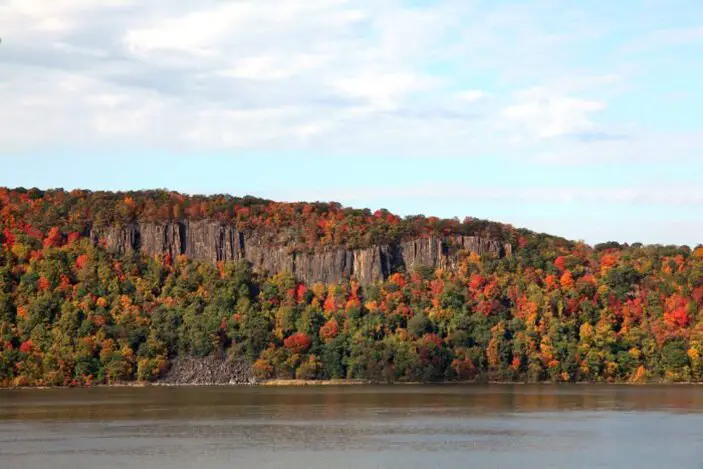 Palisades Interstate Park is a Jersey gem that runs north from Fort Lee along the Bergen County coast and up to Rockland County, New York.  The park's backdrop is the beautiful Palisades Cliffs and its trails provide hikers with not only natural beauty but incredible views of the New York City skyline. Trails are open 30 minutes before sunrise - 30 minutes after sunset.  While there are several trails to choose from, suitable for varying skill levels, adventurers will want to explore the Great Stairs.  The 4.3-mile trail is considered difficult due to the rock outcroppings. You'll need to hike nearly a mile over large boulders. This is the largest rock scramble in New Jersey!  You'll find the trail head near the State Line Cafe parking lot. Start by following the Long Path, marked in teal.  You'll come across a scenic overlook and head down towards the water. You'll pass a waterfall (depending on recent rain) and some rope swings on your journey. You can find a detailed description of the hiking trail and necessary directions at NJHiking.com. You can also find park and trail maps at NJPalisades.org. The Giant Stairs Hike is not suitable for young children or pets but it’s perfect for experienced hikers looking for a thrill. The scenery is spectacular from the State Line Lookout alone and, when the cafe opens again, it’s a perfect spot to get a post-hike snack. To get a sneak peek of what you can expect should you desire to traverse this trail, check out the short (but very sweet!) video below by Unboring Exploring.  There are lots of great hiking trails with waterfalls in New Jersey. However, have you ever wondered, “Are there any easy-access waterfalls near me?” Well, we’ve got some great news: the answer is yes! It’s true, there are some unbelievable New Jersey waterfalls hiding in plain sight – no hiking required! 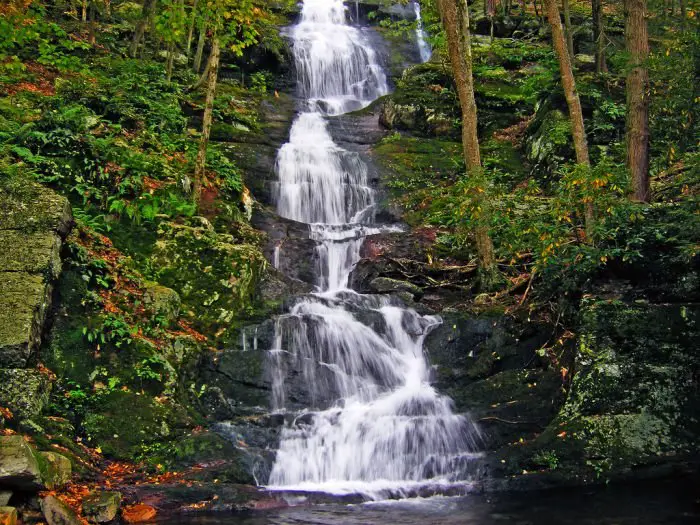 1. Buttermilk Falls, Stokes State Forest This impressive cascade has a developed viewing area right off the parking lot and is wheelchair accessible. For even better views, there are stairs up to an elevated platform. Read more about this waterfall on the New Jersey State Park Service website.  2. Crystal Springs Resort, Sussex County The biosphere complex at Crystal Springs Resort is New Jersey's very own slice of paradise. You'll feel as if you're in the tropics year-round at this indoor/outdoor pool, which offers a variety of waterfalls - each more impressive than the next. The above video just begins to do it justice. Read more about this waterfall on the Crystal Springs Resort website.  3. Great Falls, Paterson Part of Great Falls National Park, these powerful falls can be admired by anyone. For a unique perspective, you can view the falls from the footbridge crossing the Passaic River. Read more about this waterfall on the National Park Service website.  4. Bass Pro Shops, Atlantic City Atlantic City does everything bigger and better, so it should come as no surprise that there is a stunning 2-story waterfall hidden away here. What is surprising, though, is that these magnificent falls are located not among the glitz and glamour of the boardwalk, but in a sporting goods store. Visit Bass Pro Shops on Christopher Columbus Boulevard for to see the breathtaking display. Read more about this waterfall on the Bass Pro Shops website.  5. Little Falls, Little Falls Located in the center of town, Little Falls is not so little. Created by a dam, these falls are quite impressive. Read more about this waterfall on the Township of Little Falls website. 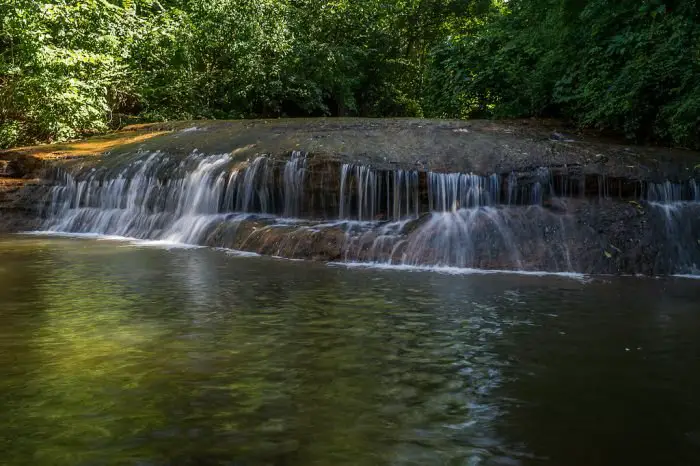 6. Tinton Falls, Tinton Falls Though these may not be the biggest falls, they sure are lovely. They're also the highest elevated falls along the Atlantic Coastal Plain. Check them out from the overlook at 741 Tinton Avenue. Read more about this waterfall on the Tinton Falls website. 7. Great Falls, Hillsborough There are several spectacular waterfalls in Duke Farms, Great Falls being one of the most impressive. While you CAN hike (or bike) to these falls, they are also just a short walk from the tram stop. Read more about this waterfall on the Duke Farms website. 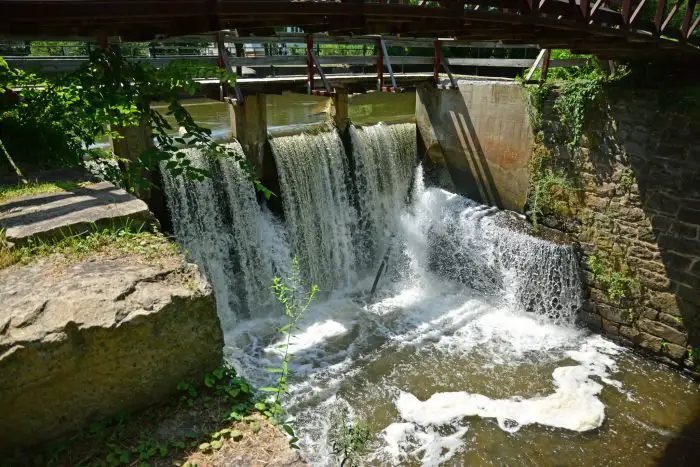 8. Lambertville Falls, Lambertville This easily accessible waterfall is created by a canal lock, and visitors can even cross a footbridge over the falls for an interesting perspective. Read more about this waterfall on the Lambertville website. Address: Mountain Road, Mountain Rd, Walpack Township, NJ, USA Address: Crystal Springs Resort, 1 Wild Turkey Way, Hamburg, NJ 07419, USA Address: Great Falls, Paterson, NJ, USA Address: Little Falls, NJ, USA Address: Tinton Falls, NJ, USA Address: 1112 Dukes Pkwy W, Hillsborough Township, NJ 08844, USA Address: Lambertville, NJ 08530, USA Address: 30 Christopher Columbus Blvd, Atlantic City, NJ 08401, USA  When you think of New Jersey, you think of people. Lots and lots of people. However, there are towns across the great Garden State that are shockingly small. What's so great about the "Great Garden State?" Where do I start? Roadside farm stands, dynamite diners, the finest wineries and craft breweries, cuisine that make other states envious, diversity, four seasons, the beaches and the boardwalks, the list goes on and on. I think we get stuck in our bubble and forget that there are parts of Jersey that are "off the beaten path," and many most likely like it that way. For example, I live in Toms River. I love it here, but it's always busy in Toms River. When I want to escape but not have to go far, I just hang a right on Route 37 and enter a little gem called Island Heights. Every time I'm in Island Heights, I feel like I'm on vacation. It's a cute little town with lots of charm and amazing views of the Toms River. Not all of these towns you'll see on this list are small in size. This go around we're focusing on population. There are actually towns in our state that have official populations in the single digits. Many of these towns will be new to you. They were new to me. Others are well known but have very few people living there for good reason. You'll see why.
FAR HILLS Located in Somerset County, Far Hills is 5 square miles and has a population of 927.
HI-NELLA - With a population of 867, this Camden County town is 0.231 square miles.
ROOSEVELT - Monmouth County's Roosevelt is 1.920 square miles and has a population of 854.
BLOOMSBURY - Just shy of 1 square mile, Bloomsbury sits in beautiful Hunterdon County and has a population of 846.
STONE HARBOR - This popular South Jersey shore town has 822 year round residents.
WASHINGTON TOWNSHIP There are a couple of Washington Townships in New Jersey. This one is in Burlington County. While it's large in size at over 100 square miles, the population is a small 815.
INTERLAKEN A hidden gem in Monmouth County, this coastal town is 0.3 square miles and boasts a population of 801.
WRIGHTSTOWN Consisting of lots of farmland, Wrightstown in Burlington County has a population of 785
BRANCHVILLE - Located in far North Jersey, Branchville is home to 783 folks.
DEAL This upscale Monmouth County beach town is a popular summer destination for many. However, it only has 783 year round residents.
GREENWICH TOWNSHIP Made mostly of wetlands and farmlands near the Delaware River, Greenwich Township has a population of 712.
ROCKY HILL Just over a half a square mile, Somerset County's Rocky Hill is home to 688.
BARNEGAT LIGHT A popular destination for many with Old Barney as an attraction, Barnegat Light only has a population of 587.
ANDOVER BOROUGH - Only 587 people live in this small Sussex County town.
WEST WILDWOOD - We've all heard of Wildwood, but off shoot West Wildwood is home to only 566.
ROCKLEIGH - 1 square mile in Bergen County and a population of 534
FIELDSBORO Fieldsboro is part of Burlington County - population 531.
STOCKTON Don't confuse this town with the school. This town of 520 is in Hunterdon County.
CORBIN CITY Even though Atlantic County's Corbin City is 7.7 square miles, it is only home to 500.
SHILOH Home to many produce farms, Cumberland County's Shiloh has a population of 497.
ALLENHURST When one thinks of Monmouth County shore towns, rarely does Allenhurst come to mind. It's probably better than way. Population: 489
MILLSTONE Not to be confused with Monmouth County's Millstone, this one is in Somerset County. Population: 420.
HARVEY CEDARS In the summertime, the population of Harvey Cedars in in the tens of thousands. Year round it's only 342.
CAPE MAY POINT Located at the tip of the Cape May Peninsula, and home to the Cape May Lighthouse, Cape May Point has 279 residents.
MANTOLOKING This upper class Ocean County shore town has a year round population of 257.
LOCH ARBOUR Monmouth County's Loch Arbour is a tucked away beach town with a year round population of 183.
TETERBORO When you hear Teterboro, usually one thing comes to mind. Airport. That why this Bergen County town only has a population of 69.
PINE VALLEY Famous for its controversial golf course, Pine Valley is pretty much all golf course. Only 11 people live there.
WALPACK TOWNSHIP It's hard to believe there is a town in New Jersey with a population of 6. Welcome to Sussex's Walpack Township.
TAVISTOCK
How can the tiniest town in New Jersey be 5 square miles? Easy, it's a golf course with 5 people living on it. How this qualifies as a town is beyond us.  Whether you're selling your home for the first time or you're an experienced guru who knows all the tricks of the trade, there are a myriad of ways in which sellers can increase the value of their home before the appraiser arrives. (bring out that checklist of to-dos). And no, we're not talking about your impeccable staging, the fresh coat of paint on the exterior or the Marie Kondo-like organization in your closets and pantry. While the scent of fresh-from-the-oven cookies may dazzle buyers during showings, this one minor-yet-critical detail might be the culprit that's lowering the value of your home. The One Kitchen Color to Avoid A recent Zillow study found that homes with bright red kitchens sell for $1,500 less than other colors. Don't fret just yet! A full gut renovation of your kitchen may not be needed to get a great offer, but it doesn't hurt to add a few upgrades here and there, including a fresh coat of paint (more on that in a sec). Buyers are attempting to envision their life when they walk through your home, and sometimes the imagination is deterred by the details like personal taste, clutter or family photographs. Real estate brokers know that most people experience difficulties seeing the bigger picture, so if you want to get the biggest bang for your buck, it's critical to present your home in a way that can resonate with all buyers. Other colors to avoid? On top of X-ing bright reds, steer clear of bright green, bright yellow and pink. Zillow's study found that kitchens painted these colors hurt buyers' intentions to purchase and overall decrease the likelihood of offers. The biggest takeaway here: Red and other bright colors might read too loud for buyers' taste.  The Kitchen Color That Increases Value
Instead of a red kitchen, try white. White brings a fresh, bright palette to the kitchen and is the most attractive for potential homeowners. In fact, it was found that light, neutral colors will increase interest in a property as well as potential offers. Buyers are able to visualize themselves in the home with their own furniture and hopeful memories without getting taken aback by personal taste preferences. A neutral palette also makes a space appear more open and spacious, allowing the house to sell itself. If white may be too bland for your taste, try an off-white or light yellow. Still not able to give up color? The study found that dark gray, dark red and dark green sparked a similar increase in buyer interest. Who knows, a quick white paint job just might be the trick that will have them saying, "Let's make an offer!" That and, well...cookies of course. RELATED: THE ONE TIKTOK HACK THAT ADDS VALUE TO YOUR HOME, ACCORDING TO A DESIGNER Many tourists use Jersey City as a gateway to the glorious Statue of Liberty. But did you know there's so much more to see? Less than a kilometer away from New York, Jersey City offers endless amounts of culture and entertainment. To help plan your upcoming trip, we have compiled a list of the best things to do in Jersey City, New Jersey:  Take a Trip Back in Time Through the Central Railroad of New Jersey Terminal. The Central Railroad of New Jersey Terminal played an essential role in the history of immigration within Jersey City. The terminal serves as a gateway to two of the most popular tourist attractions: the Statue of Liberty and Ellis Island. Ferries are only available from the terminal.  Go on a Cruise Along the Hudson River Jersey City is one of the best places to take a cruise. Situated close to the Statue of Liberty and Ellis Island, the Hudson River and its gentle waters make an excellent cruising destination. Many sailing companies organize these cruises and present various choices for which sights to see. One of the most popular cruises is the one that includes the Statue of Liberty and the Ellis Island Immigration Museum. Many of the cruises run for 90 minutes, providing tourists with enough time to see these unmissable sights while also giving them the opportunity to spend the day exploring. We recommend taking a cruise where you can catch the sunset on the river horizon; it makes for the most stunning photos. 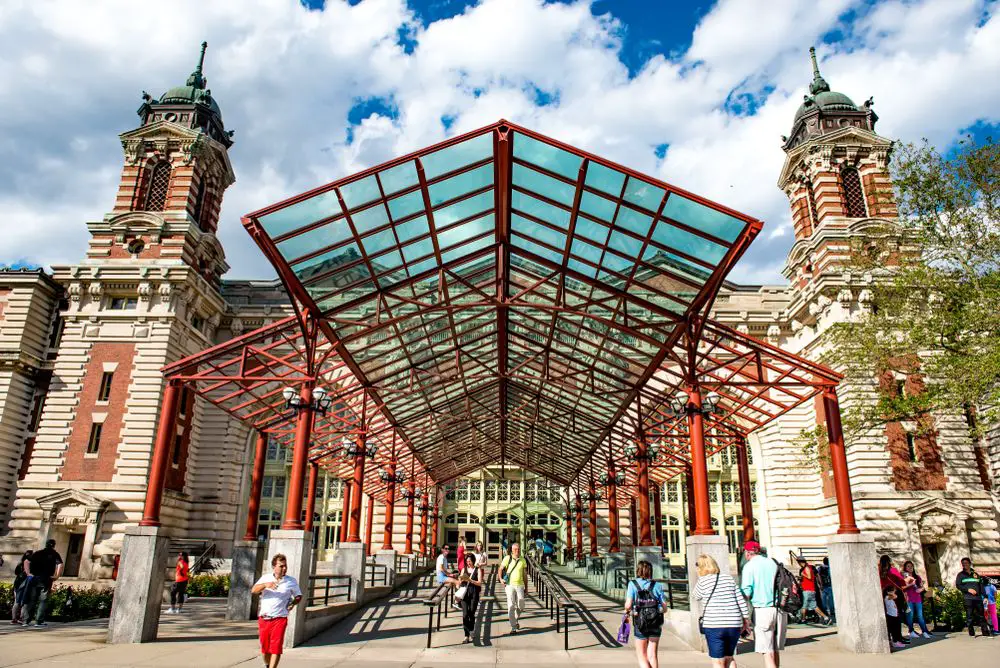 Learn More About the Past at Ellis Island Immigration Museum Immigrants played an important role in shaping Jersey City's history. From the 1800s to the 1900s, there was an influx of people coming to the city from many different locations around the globe. The Ellis Island Immigration Museum was built to allow others to learn about the history of immigrants within America.  Visit the Van Vorst Park Van Vorst Park is one of the premier historic tourist locations in the city. It's located in the downtown part of the city where there are plenty of other destinations relevant to history. While you are exploring and hunting for food in the crowded downtown location, do drop in for a visit to Van Vorst Park. The area was named after the park planners, Cornelius Van Vorst and Peter Henderson. The park is vast, extending over 1.8 acres of land, and has been around almost 200 years. Many come here for a relaxing stroll and admire the architecture, which dates back to the 19th century.  Go on a Food Tour and Sample Jersey City's Local Cuisine Jersey City is all about delicious cuisine. Every neighborhood within the area has a different local favorite. Due to this, Jersey City invites tourists to try at least one of their many available food tours. You can learn about the city's local culture and many delicacies on these tours. With the opportunity to visit six of the best restaurants in town, the tour covers all areas, from formal dining to street food. From sandwiches and burgers to craft beers, the tours give travelers an unmissable culinary experience. These tours are perfect for those who love Italian food as they often take you to experience some of the most luxurious Italian restaurants within the city.  Take Photos With the Famous Colgate Clock. The Colgate Clock, first constructed in 1924, has been around for almost a century. Since then, the clock has become a tourist attraction, and many know it as the Big Ben of Jersey City. With a height of 50 feet, the clock overlooks the waters of Jersey City, and many tourists come to take pictures.  Shop for Vintage Goods at Another Man's Treasure Vintage Store Another Man's Treasure Vintage Store has been home to clothing and accessories boasting the original Jersey style for the longest time. The store has been around for decades and has invited countless customers to come and browse amongst their unique pieces. With pieces dating as far back as the 1920s, they offer some of the rarest fashion accessories, including dresses and jewelry. 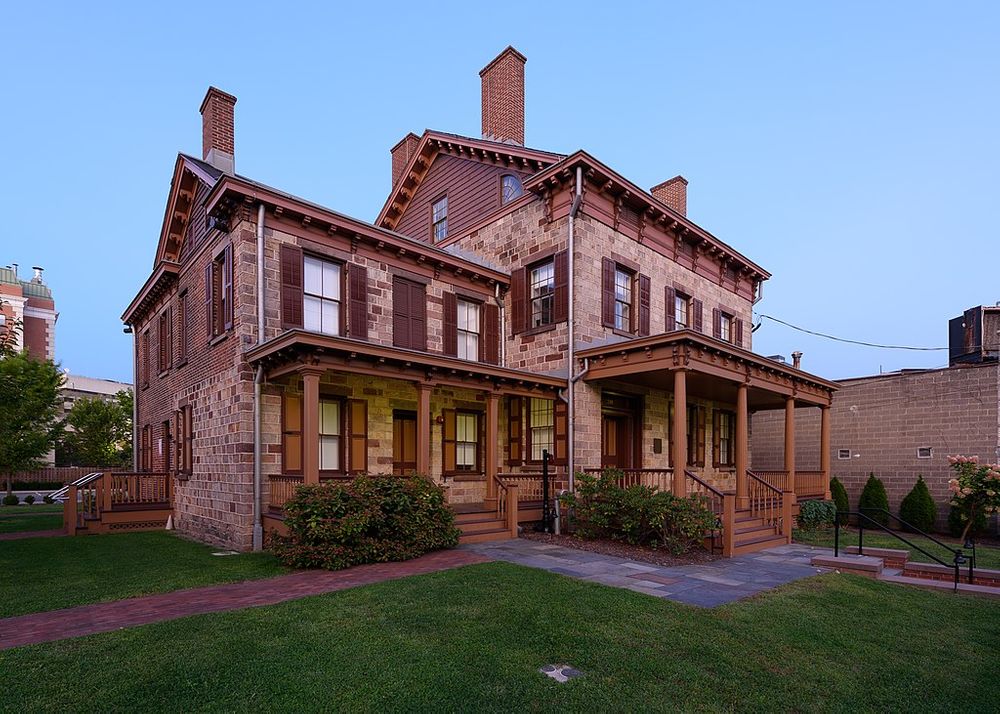 Snap Some Pictures of the Apple Tree House Jersey City has its fair share of historic old houses. Many come to admire the designs and structures of such authentic properties. Additionally, history lovers come to find out about the intriguing history and character the houses offer. The Apple Tree House, previously known as the Wagenen House, has an interesting tale. Figures such as George Washington and Marquis de Lafayette planned different strategies on the grounds of their property.  Check Out the Newkirk House There is no shortage of historical houses in Jersey City. If you're on the lookout for architectural gems, you'll find a lot of them in this city—take the Newkirk House, for example. Boasting Dutch-style architecture, the Newkirk House that dates back to 1690 still stands proudly. With its rich history, it has become a tourist attraction where many come to take pictures. There once was a restaurant situated inside the house; however, nowadays, people admire the exterior.  Get Your Spirits High at Corgi Spirits For vodka and gin lovers, this place is a must-visit. Corgi Spirits serves a variety of homemade specialty gin and vodka, which are famous throughout the city. This is the perfect place to come to unwind with friends. One of its most popular menu items is the Earl Grey Gin. For those who prefer cocktails, Corgi Spirits offers a range of cocktails for prices that go as low as $8 during happy hour. 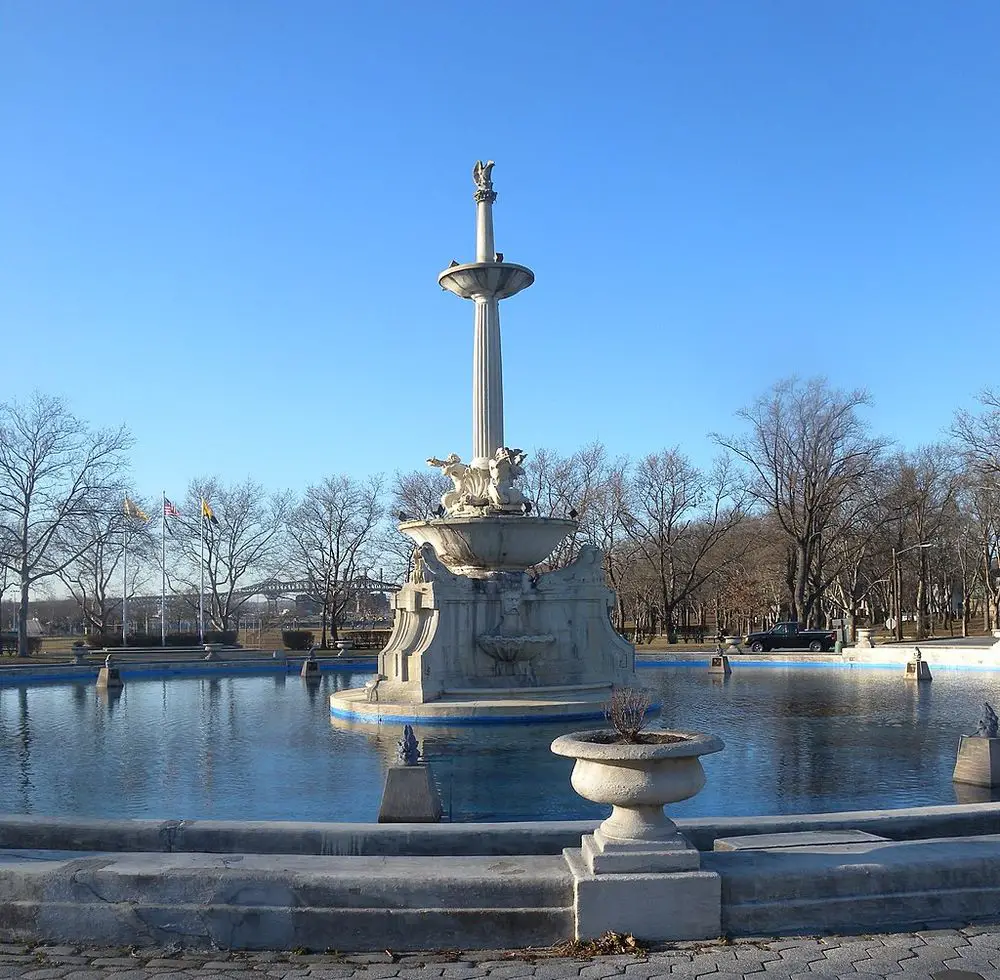 Take a Walk Around Lincoln Park. Want to see one of the city's original parks? Come and take a walk around Lincoln Park, which is perfect for up the sun and enjoying the peaceful ambiance. Located in the heart of the city, the park is around 250 acres and has many historical tales related to it. The Hackensack River is also nearby, meaning visitors get to see beautiful views from the park. There are many hiking trails inside the park for those who love long walks or hikes.  Try Gourmet Ice Cream at Milk Sugar Love Milk Sugar Love is one of the most popular ice cream parlors in the area, offering customers a variety of gourmet flavors suitable for all dietary requirements. All ingredients used are of the highest quality and are prepared with local organic milk. Milk Sugar Love's available menu items are constantly rotating, meaning new flavors are always added to their extensive menu. Whether you crave classic vanilla or fancy trying something different, like matcha, they're guaranteed to have something for you.  Stroll around Liberty State Park Located in the heart of New York City, Liberty State Park has more than 1,200 acres. With water on three sides, it is one of the city's most popular attractions. Strolling around the spectacular and breathtakingly beautiful Liberty State Park is one of the best free things to do in Jersey City. It has a beautiful waterfront view, several seats, a playground for children, boat launches, picnic spots, and many more places of interest. This picture-perfect park is a great place to spend time with loved ones and have a good time. Take a walk, relax on a seat and take in the sights, pack a picnic, or whatever else your heart desires—all for free. You may also go boating, fishing, on a cruise, visit a scientific museum, and so much more for a relatively low fee. 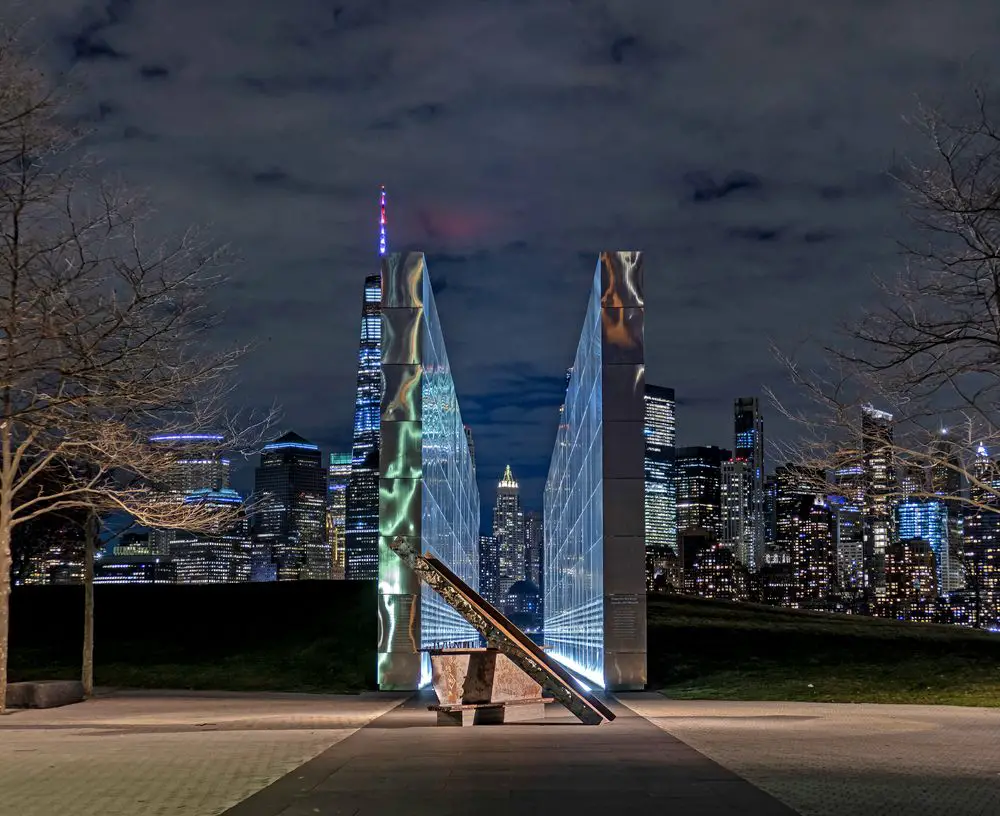 Honor War Veterans at Empty Sky Memorial To honor the 749 New Jerseyans who were killed during the September 11 attacks, the Empty Sky Memorial was dedicated in September 2011. Visit the Empty Sky Memorial while in Jersey City as one of the city's major tourist attractions. Stunning stainless steel twin walls etched with the 749 names of the dead flank this impressive memorial's rich vegetation. Pay honor and respect to the innocent victims of the World Trade Center bombings on September 11, 2001.  Have a Retail Therapy at Newport Centre Located in Newport, Rhode Island, Newport Mall is one of the city's most popular retail destinations. This three-story mall features more than 167 retail establishments, as well as a variety of additional amenities. A spectacular shopping binge is definitely in order if you ask me. This mall is a must-see if you're ever in the area! Nearby Sears, JCPenney, and Macy's are only the beginning of what you'll find at this massive retail area. The Newport Centre is the perfect place to go shopping with your pals. Choose from hundreds of retailers, like Adidas, Sephora, Forever 21, Coach, and many more. A movie or a meal awaits you after shopping.  Bring Your Kids to Liberty Science Center Since its inception in 1993, Liberty Scientific Center has been a pioneer in science education in Jersey City. The planetarium, the state's most technologically sophisticated and most prominent, is the principal attraction here. This incredible science museum is a must-see in Jersey City if you want to have a memorable outing that is instructive and entertaining for the whole family. It has an excellent planetarium, a café, a gift shop, educational programs, exciting events, and a lot more to keep you entertained. You will even get a chance to see beekeepers extracting honey in one of the natural exhibits.
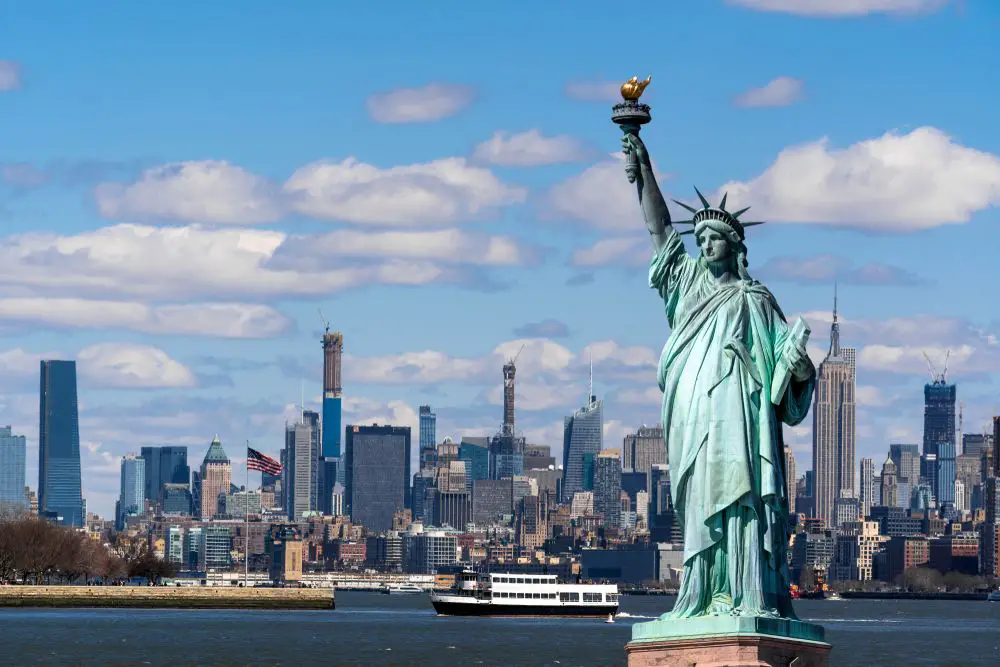 See the World-Famous Statue of Liberty The Statue of Liberty is one of the most visited tourist spots in the world. It would be an absolute shame if you came to the city next door and didn't take a chance to visit this infamous tourist attraction. Ferries and cruises are two of the best options to see the statue. Additionally, different types of ticket packages are available for the Statue of Liberty. Some offer photo opportunities, while others offer more in-depth tours that let visitors explore the inside of the monument and the museum. Final Thoughts Jersey City is so much more than just one of New York's neighboring cities. It has its own charm and brims with historical suites, mouth-watering cuisine, and photo op-worthy attractions. Hopefully, this list of the best things to do in Jersey City helps narrow down some of the best places to visit on your trip! |
Written, Compiled & Edited byThe Bergen Review Media Team Archives
April 2024
Categories
All
|





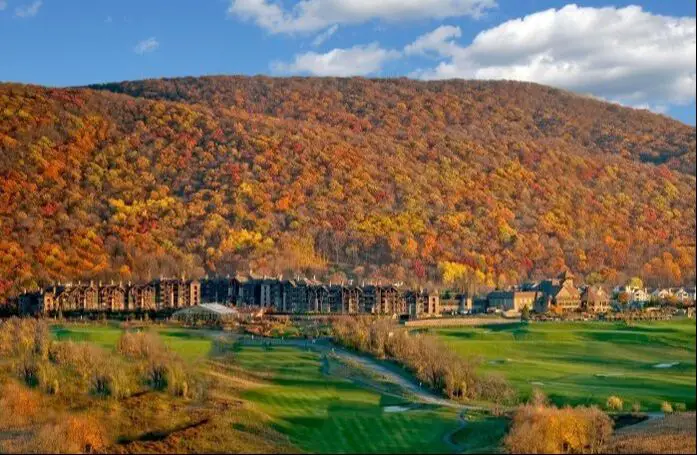

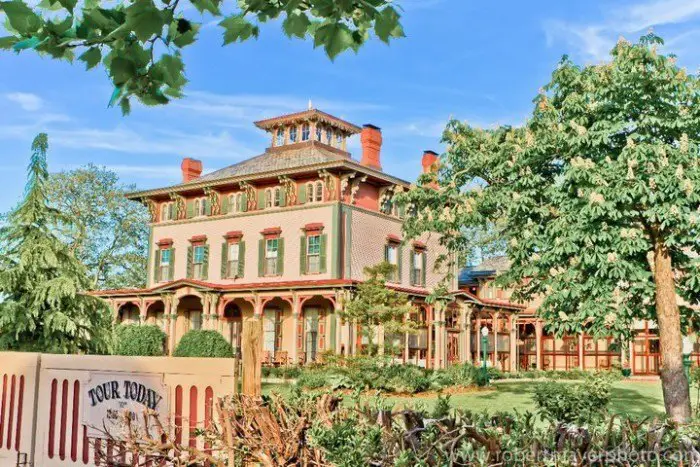


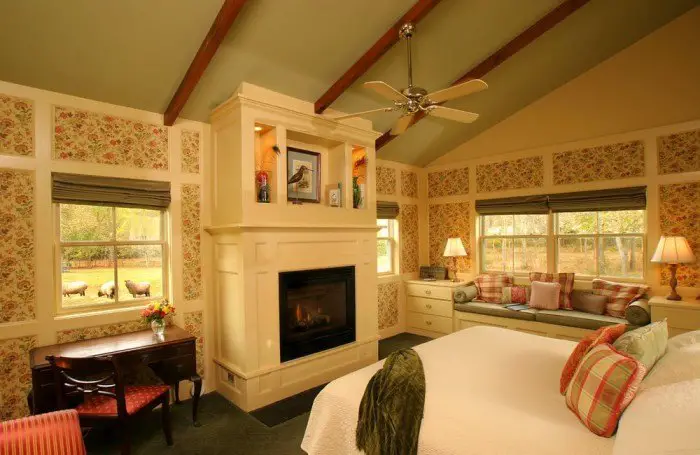
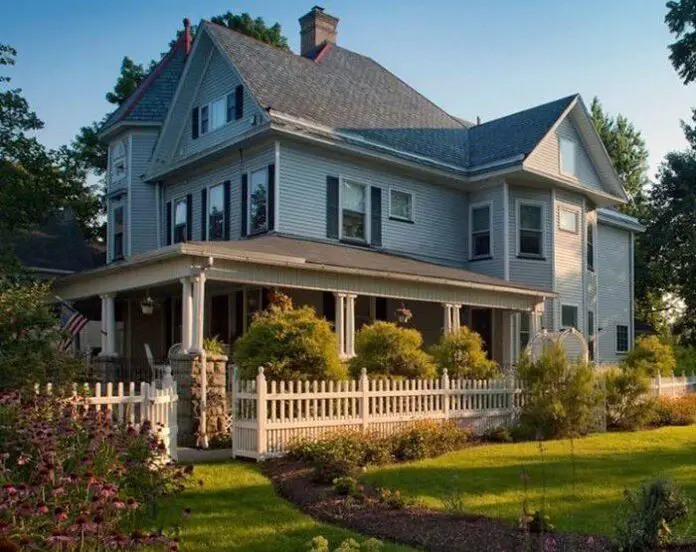




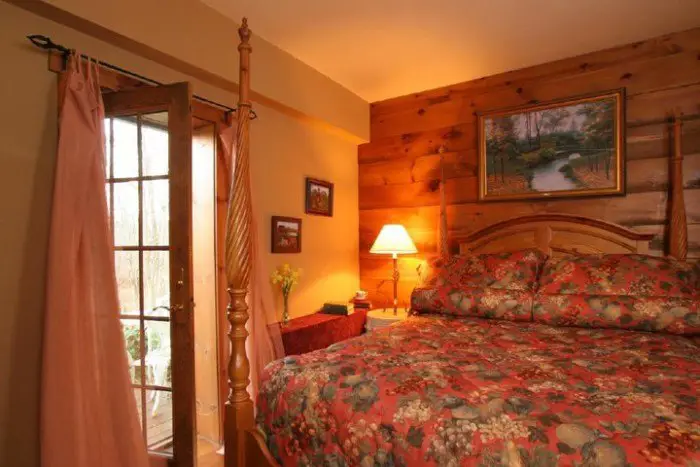

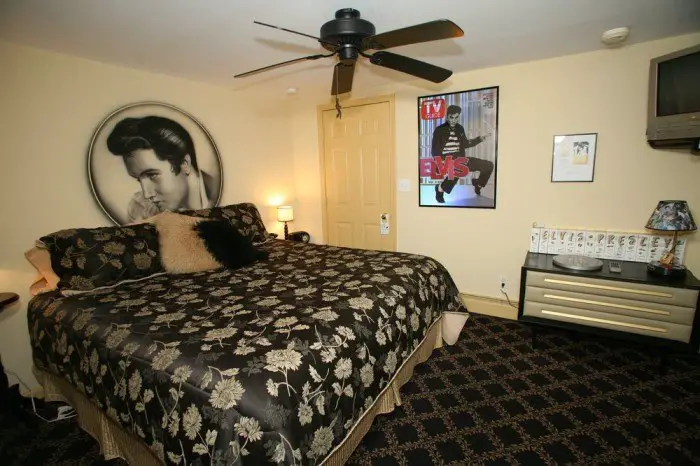

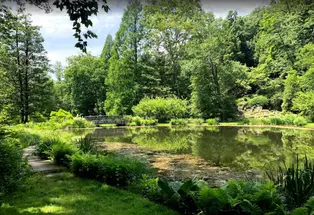


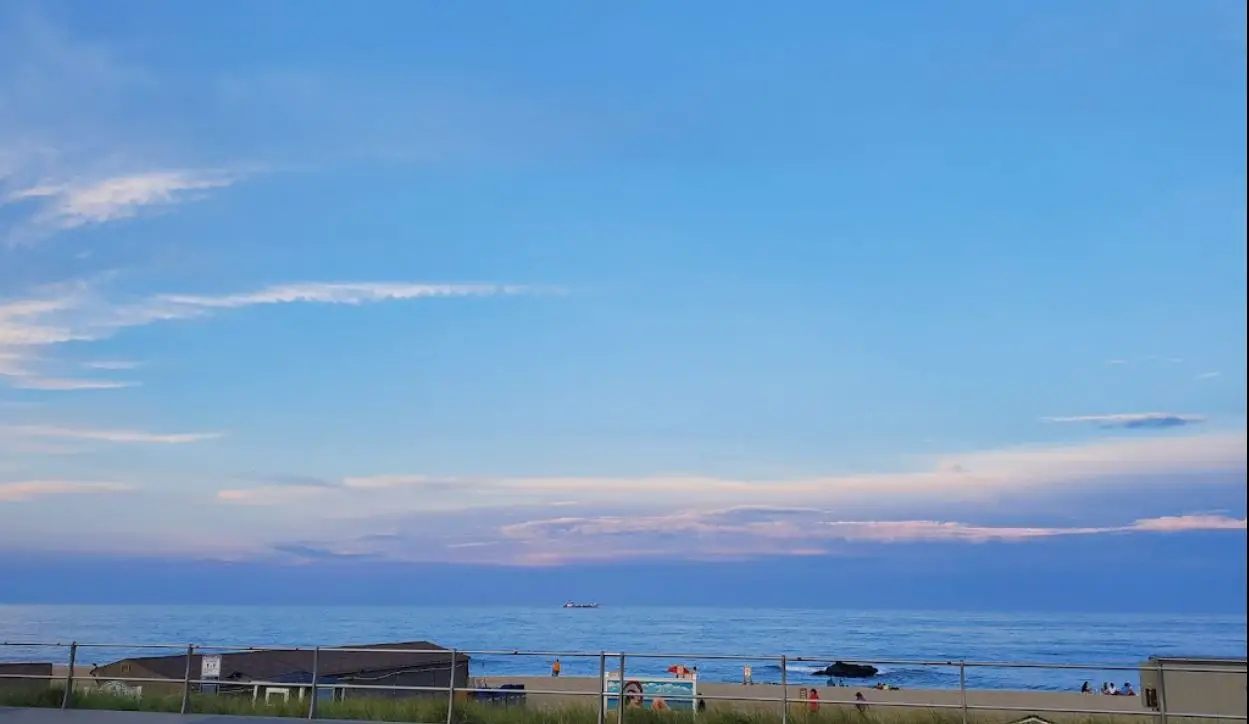




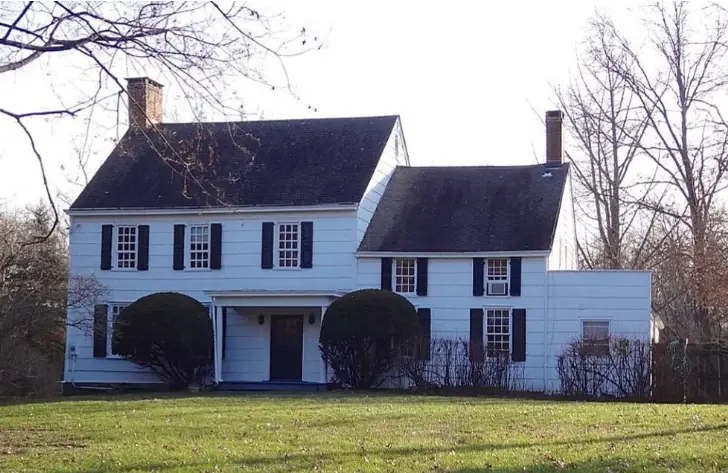

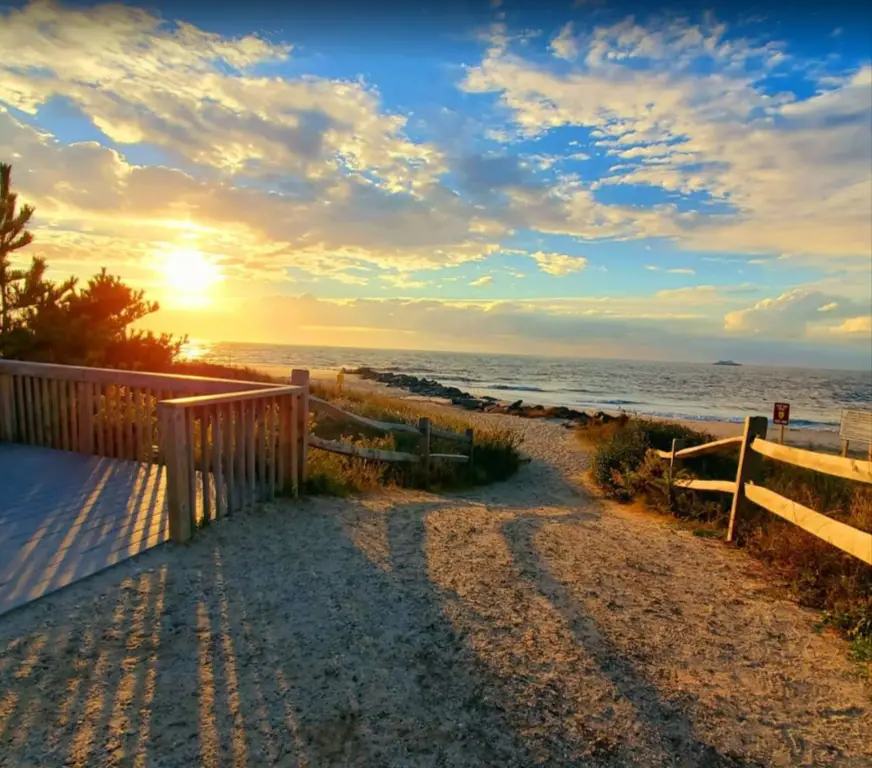
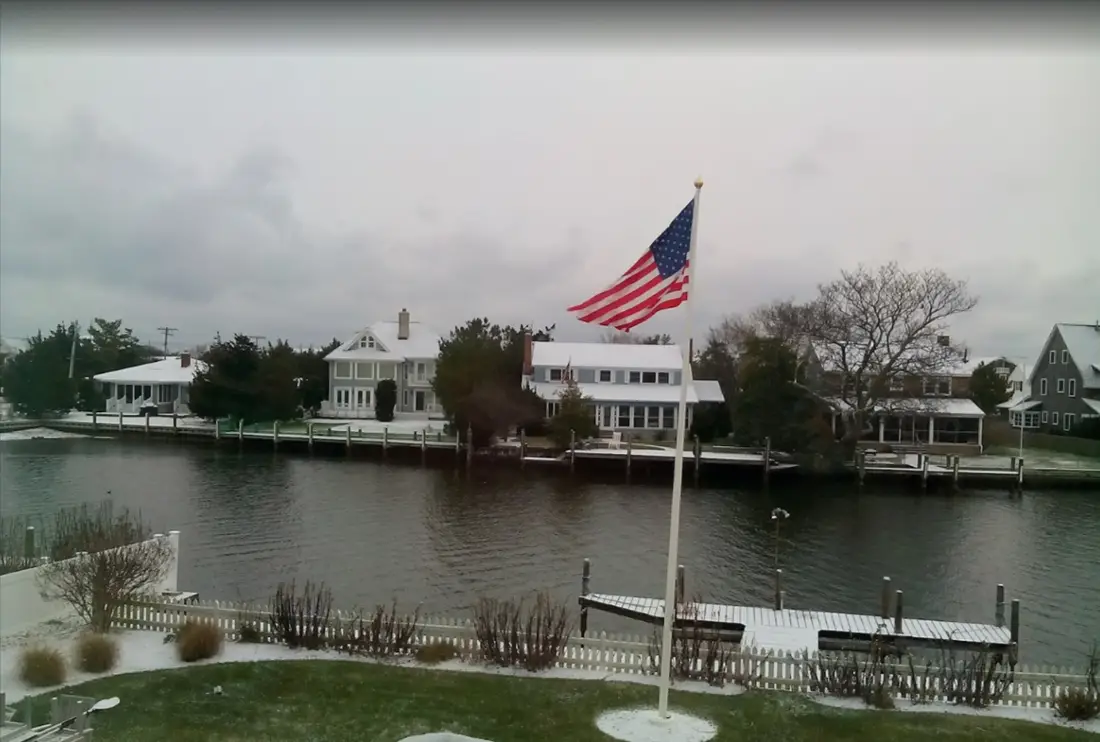

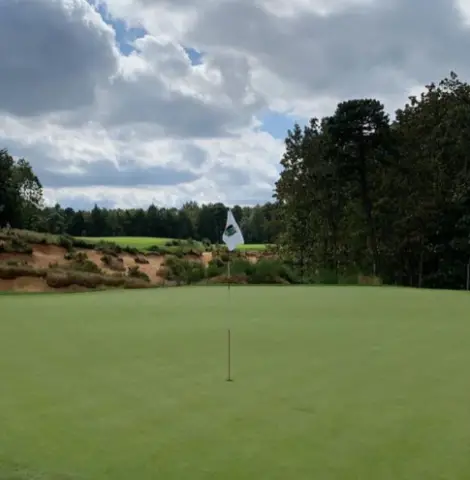
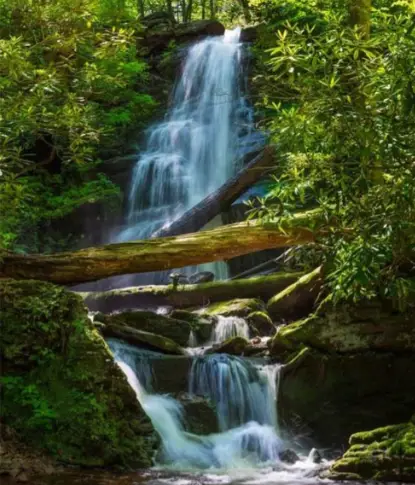

 RSS Feed
|
Vertical Divider
Bergen Review Media was Named Best in Search By TOP SEO's

|
Vertical Divider

|
Vertical Divider

|

WE'RE MORE THAN A MEDIA GROUP
WE'RE PART OF YOUR COMMUNITY |

|

Bergen Review Media is a
WebClientReach, llc Company |

50 East Ridgewood Ave. #215
Ridgewood, NJ 07050 Phone: (201) 948-5500 |
The Bergen Review is Bergen county's concierge for the best businesses, restaurants & venues in New Jersey. Our agency has a combined total of over 15 years experience in online media and marketing. Our team of experts scour every nook and cranny of New Jerseys best businesses, restaurants & venues to present to our clients the full scoop of where best deals & experiences are. Even after researching & looking at reviews, finding the REAL scoop on what Businesses, restaurants or venues best fit your interest can be a challenge. Bergen Review Media has a team that researches & visits various establishments. Making sure the consumer gets the best experience.
|
Website by Bergen Review Media